With over 70% of travelers seeking authentic experiences, this guide is your key to unlocking the true heart of Hawaii. We go beyond typical attractions to explore foundational cultural values, different tour types, and island-specific recommendations. Learn how to respectfully engage with local traditions, find genuine events like luaus, and become a responsible visitor, ensuring your journey is both memorable and meaningful.
Table of Contents
- The Foundation: Understanding Hawaii History and Culture for Travelers
- Choosing Your Path: Types of Hawaiian Cultural Tours
- The Celebration: Finding Authentic Luaus and Traditional Hawaiian Events First Visit
- Island by Island: Where to Find Top Cultural Experiences
- Planning Your Trip: Practical Tips for a Respectful Journey
- Frequently Asked Questions (FAQ)
Over 70% of travelers to Hawaii are looking for more than just sun and sand; they are actively seeking sustainable and culturally immersive activities. This growing desire for authenticity is why Hawaiian cultural tours for tourists are becoming the most memorable part of any visit. With visitor numbers reaching 7.19 million in the first nine months of 2025 alone, there’s a clear trend towards deeper, more meaningful travel experiences. The islands are ready to share their stories, but it requires a thoughtful approach from those who visit.
This isn’t just another list of popular attractions. It’s a comprehensive guide for first-time visitors and seasoned travelers alike to respectfully engage with the rich traditions, history, and living culture of Hawaii. We will explore the foundational values that shape island life, discover the different types of tours available, learn how to find authentic cultural events, review island-specific recommendations, and provide practical tips for being a responsible and welcomed guest. This guide will help you move beyond the surface and journey into the true heart of Hawaii.
The Foundation: Understanding Hawaii History and Culture for Travelers
To truly appreciate a cultural tour, you must first understand the ground on which you walk. Approaching Hawaii with a foundation of knowledge transforms a simple vacation into a profound experience, shifting your role from a passive observer to a respectful participant. This understanding is the key that unlocks a deeper connection to the land and its people. The history of Hawaii is not just a collection of dates and events; it is a living narrative that continues to shape the present and future of the islands.
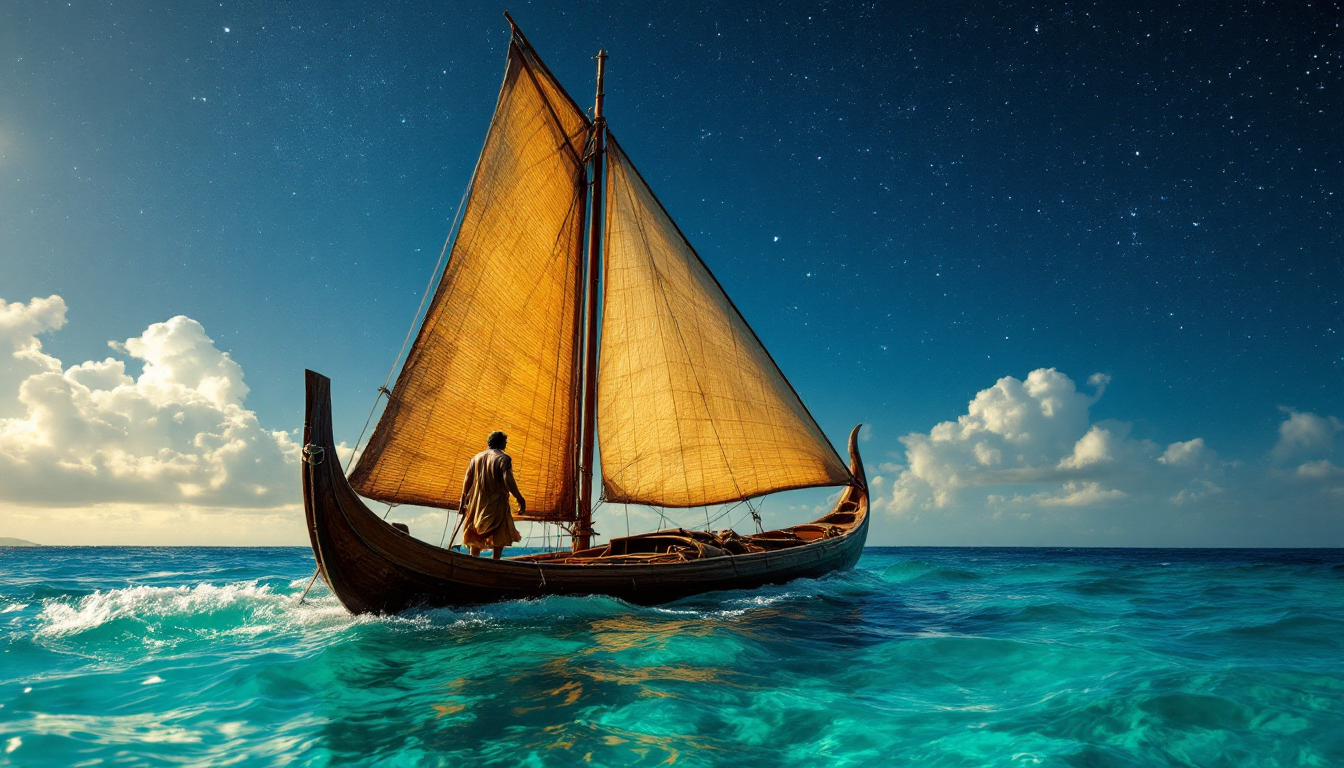
Hawaii’s story begins with the incredible navigational feats of Polynesian voyagers who crossed the vast Pacific in double-hulled canoes, guided by stars, winds, and currents. They established a highly complex and self-sufficient society that thrived for centuries before Captain James Cook’s arrival in 1778. Understanding this pre-contact history is essential to appreciating the resilience and depth of the culture you see today. It provides the context for the sacred sites, the stories told in hula, and the very fabric of the community.
The Pillars of Hawaiian Life
To connect with Hawaii, it’s vital to understand the core values that guide daily life. These are not abstract concepts but principles that are actively practiced.
| Cultural Value | Meaning & Significance |
|---|---|
|
Aloha Spirit |
Far more than a simple greeting, the Aloha Spirit is a law codified in the state constitution. It is a philosophy of love, respect, peace, and compassion that guides all interactions. It means treating others and the environment with deep care and affection. |
|
|
The concept of |
|
|
This translates to “caring for the land.” It signifies a deep, symbiotic relationship between people and their environment. The land provides everything needed for life, and in return, the people have a sacred duty to protect, preserve, and respect it for future generations. This principle is the foundation of Hawaiian sustainability. |
After Western contact, Hawaiian culture faced immense challenges that threatened its very existence. However, the 20th century saw the rise of the Hawaiian Renaissance, a powerful movement to revitalize the Hawaiian language (ʻŌlelo Hawaiʻi), traditional hula (hula kahiko), navigational techniques, and other ancestral practices. The authentic cultural tours you can experience today are a direct result of this incredible effort to preserve and celebrate a rich heritage.
Choosing Your Path: Types of Hawaiian Cultural Tours
Hawaii offers a diverse array of cultural experiences that cater to every type of traveler. Whether you’re a history enthusiast, a hands-on learner, or someone who feels most connected to the land, there is a tour that will speak to you. Choosing the right path allows you to engage with the aspects of the culture that most resonate with your interests, making your journey more personal and impactful.
3.1. Historical & Archaeological Journeys
For those who wish to walk in the footsteps of ancestors, historical tours offer a direct connection to Hawaii’s past. These journeys take you to sacred and significant sites where you can feel the weight and power of history. They are the best way to directly engage with Hawaii history and culture for travelers.
- Puʻuhonua o Hōnaunau (Place of Refuge): Located on the Big Island, this is a beautifully restored ancient Hawaiian royal ground. In ancient times, it was a sanctuary for those who broke a sacred law, or
kapu. If they could reach this place, they would be absolved by a priest and could return to society. A walking tour here reveals temples, royal fishponds, and the stories of a sophisticated justice system. - Visiting a Heiau (Temple): A
heiauis a sacred temple, and these sites are found across all the islands. They were used for ceremonies, worship, and societal gatherings. It is crucial to visit these powerful places with a certified cultural guide who can explain their specific purpose and the proper etiquette required, as many are still considered sacred by Native Hawaiians.
3.2. Hands-On Arts & Crafts Workshops
Learning by doing is one of the most effective ways to understand a culture. Workshops led by local artisans allow you to participate in traditions that have been passed down through generations, creating not just a souvenir, but a meaningful memory and a deeper appreciation for the skill involved.
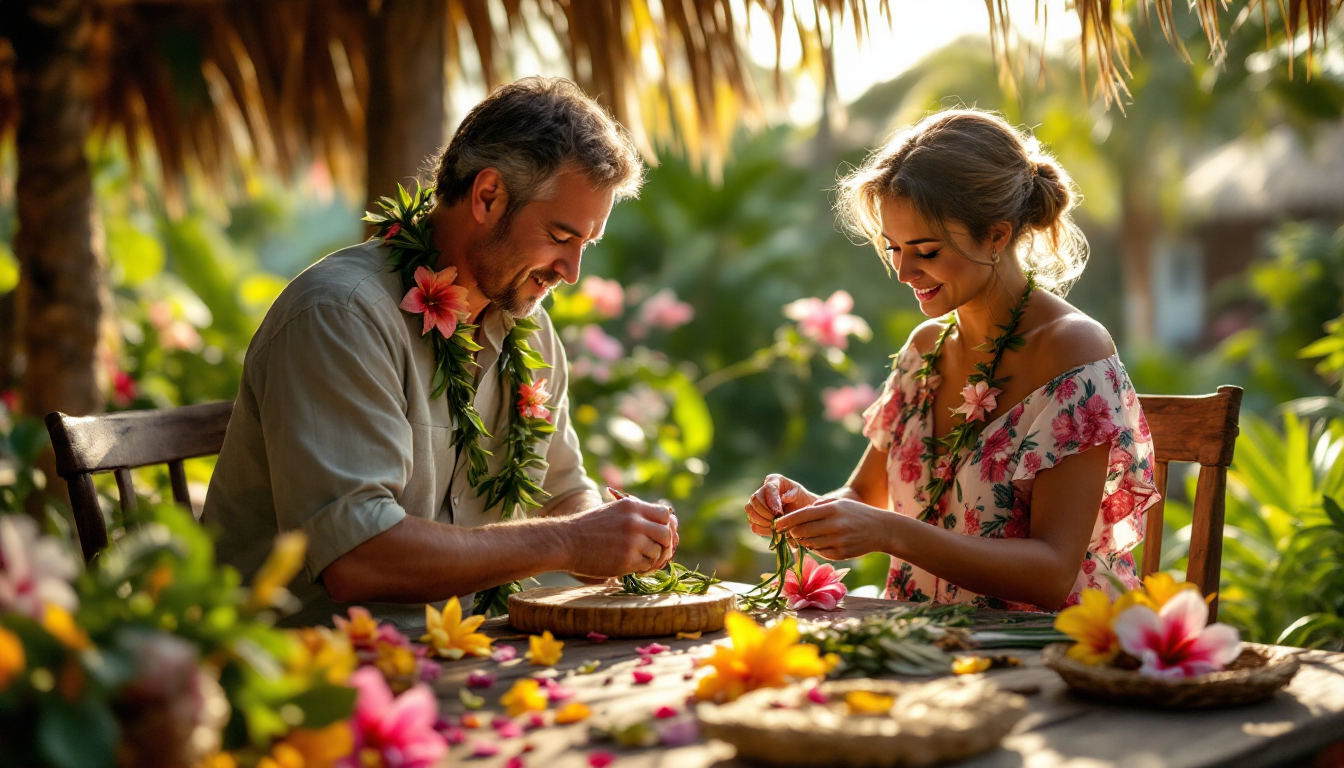
- Lei Making: The lei is an iconic symbol of aloha, but it is much more than a simple flower garland. Each lei is crafted with intention and love. In a workshop, a
kumu(teacher) will guide you through the traditional methods of weaving and braiding, explaining the significance of the different flowers, ferns, and materials used in this beautiful art form. - Kapa Making: Kapa is a traditional bark cloth made from the paper mulberry tree. It is a labor-intensive art form that was used for clothing, bedding, and ceremonial purposes. A demonstration or workshop will show you the process of stripping the bark, pounding it into thin sheets, and decorating it with natural dyes and intricate patterns.
3.3. Land-Based & Agricultural Experiences
To truly understand the principle of Mālama ʻĀina, you must get your hands in the soil. These tours connect you to the agricultural and resource management systems that sustained the Hawaiian people for centuries, offering profound lessons in sustainability that are more relevant today than ever.
- Taro Farm (
Loʻi) Visit: Taro, orkalo, is the cornerstone of the traditional Hawaiian diet and is considered the elder brother of the Hawaiian people in their creation story. A visit to aloʻi(taro patch) involves learning about the cultivation of this sacred plant, the intricate irrigation systems, and sometimes even participating in makingpoi, a staple food. - Ahupuaʻa Tours: The
ahupuaʻais a brilliant traditional land division system that runs from the mountains to the sea. This wedge-shaped slice of land contained all the resources a community needed, from fresh water and timber in the uplands to fertile farmland and coastal fisheries. A guided tour of a restored ahupuaʻa teaches the principles of sustainable living and holistic resource management.
The Celebration: Finding Authentic Luaus and Traditional Hawaiian Events First Visit
For many visitors, attending a luau is a must-do activity. However, the quality and authenticity can vary dramatically. Knowing how to differentiate a genuine cultural celebration from a tourist-centric show is crucial for a Luaus and traditional Hawaiian events first visit. An authentic event will leave you with a true sense of Hawaiian hospitality and storytelling, while a commercialized one may feel superficial.
4.1. What Makes a Luau Authentic?
Look past the flashy advertisements and focus on the substance. An authentic luau is a feast for the senses and the soul, grounded in tradition.
| Feature | What to Look For |
|---|---|
|
Food Preparation |
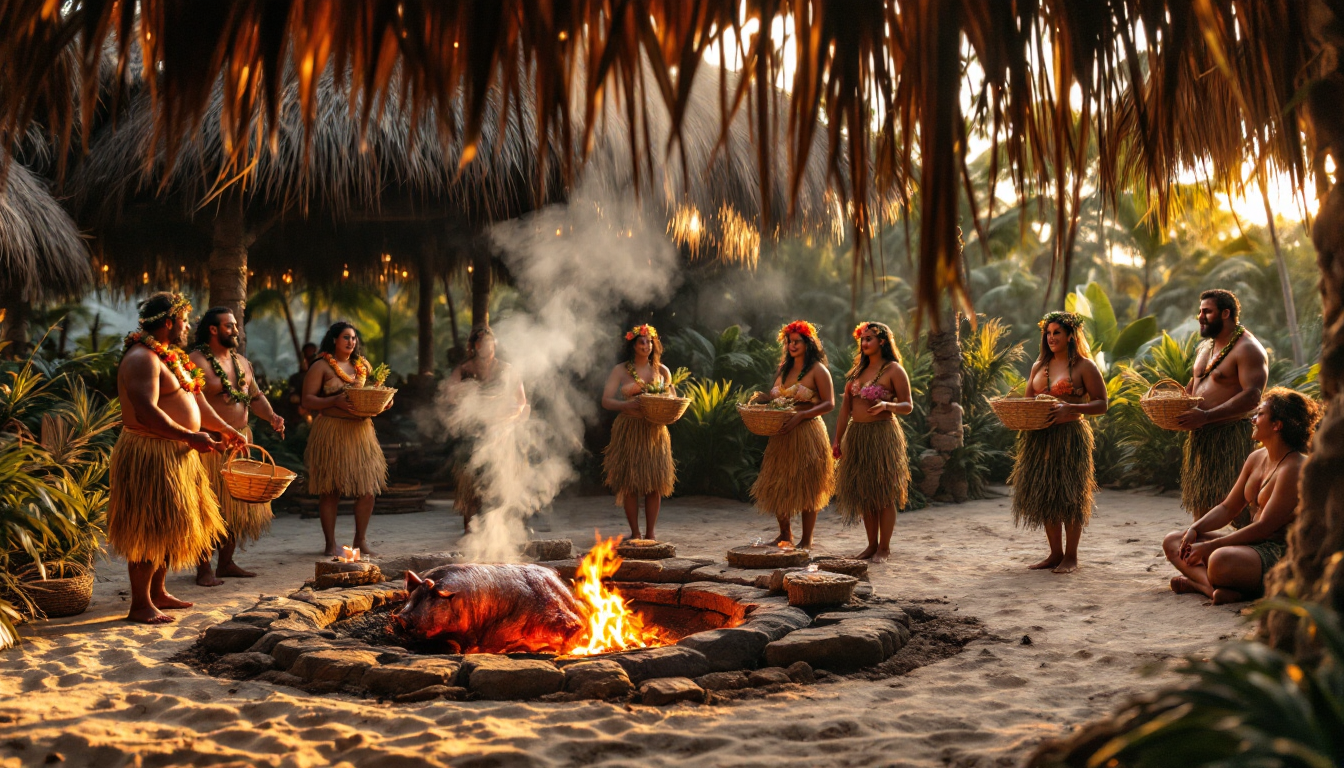
The centerpiece of a traditional luau is the |
|
Storytelling ( |
A genuine luau is not just a dinner show; it is an evening of storytelling. The performance should emphasize |
|
Cultural Context |
The hosts and performers should take the time to explain the meaning behind the food, the dances, and the ceremonies. You should leave with a greater understanding of the culture, not just a full stomach. |
|
Ownership & Operation |
Prioritize events that are Hawaiian-owned and operated or have deep, long-standing connections to the local community. These operations are more likely to present the culture with the respect and accuracy it deserves. |
4.2. Beyond the Luau: Annual Festivals & Events
To experience the culture at its most vibrant, consider timing your visit to coincide with one of Hawaii’s major annual festivals.
- Makahiki Season (October-February): This is the ancient Hawaiian New Year season, a time traditionally dedicated to the god Lono. It was a period of peace, celebration, and games. Today, many communities host Makahiki events that are open to the public, offering a unique glimpse into traditional sports and ceremonies.
- Merrie Monarch Festival (Big Island, week after Easter): This is the world’s most prestigious hula competition. While tickets to the competition itself are difficult to obtain, the entire week is a celebration of all things Hawaiian, with free hula performances, craft fairs, and a grand parade in Hilo. It is a must-see for anyone serious about Hawaiian culture, but be sure to book flights and accommodations far in advance.
- Prince Kūhiō Day (March 26): This state holiday honors Prince Jonah Kūhiō Kalanianaʻole, a beloved royal who was a delegate to the U.S. Congress and a champion of the Hawaiian people. The day is marked with parades, cultural demonstrations, and events across the islands.
4.3. Etiquette for Cultural Events
When you attend a cultural event, you are a guest in a space that is sacred to others. Observing proper etiquette is a sign of respect.
- Arrive on Time: Punctuality is appreciated and shows respect for the hosts and performers.
- Listen Respectfully: Pay close attention when elders (
kupuna) or hosts are speaking. Their words carry generations of knowledge. - Ask Before Photographing: Always ask for permission before taking photos of individuals, especially performers and elders. Never use flash photography unless explicitly permitted.
- Leave No Trace: Never take rocks, sand, or lava from sacred sites or historical parks. This is not only disrespectful but is also believed to bring bad luck.
Island by Island: Where to Find Top Cultural Experiences
Each Hawaiian island has its own unique personality, history, and array of cultural offerings. While the core values remain the same, the way they are expressed can differ. Here are some top recommendations for the four major islands, tailored to their distinct characteristics.
Oʻahu: The Gathering Place of History and Modern Culture
As the most visited island with 2,880,550 arrivals in the first half of 2025, Oʻahu offers a wealth of accessible and world-class cultural institutions. It is the perfect place to get a comprehensive overview of Hawaiian history from the time of royalty to the present day.
- The Bishop Museum: This is the premier museum for Hawaiian and Polynesian history and culture. Plan to spend at least half a day exploring its extensive collection of artifacts, learning about Polynesian voyaging in the Hawaiian Hall, and understanding the science and beliefs behind the islands.
- Iolani Palace: The only official royal residence in the United States, Iolani Palace is a stunningly restored landmark that tells the poignant story of Hawaii’s last reigning monarchs, King Kalākaua and Queen Liliʻuokalani. A guided tour provides deep insight into the sophistication of the Hawaiian Kingdom and the illegal overthrow that changed its course forever.
- Waimea Valley: Located on the North Shore, this lush valley is home to a world-class botanical garden and a significant archaeological site. A guided cultural hike will reveal ancient living sites, religious structures, and the importance of the valley in the
ahupuaʻasystem.
Maui: The Valley Isle’s Artistic Soul
Maui, which saw a remarkable 11.2% increase in visitors, is known for its beautiful landscapes and thriving arts scene. It is an ideal place to connect with both the natural and artistic spirit of Hawaii.
- Hāna Cultural Center: This small but vital center in the remote town of Hāna is dedicated to preserving the local history and traditions of the area. It provides an authentic, community-focused perspective on Hawaiian life that is often missed in the larger resort areas.
- Sunrise at Haleakalā with a Cultural Guide: Witnessing the sunrise from the summit of this dormant volcano is a breathtaking experience. To make it truly meaningful, book a tour with a certified Hawaiian cultural guide who can share the creation chants and legends associated with this sacred place, transforming a beautiful view into a spiritual moment.
- Historic Lāhainā: While rebuilding from the recent fires, the focus in Lāhainā is on honoring its deep Hawaiian roots, which long predate its time as a whaling port. As the town recovers, support tours and businesses that are dedicated to telling the stories of Mokuʻula and the royal chiefs who once called this place home.
Big Island (Hawaiʻi): Land of Living Traditions and Pele’s Fire
The Big Island, which welcomed 1,315,915 visitors in the first nine months of 2025, is a place of raw, elemental power. Here, the culture is deeply intertwined with the active volcanoes and the living traditions of the Hawaiian people.
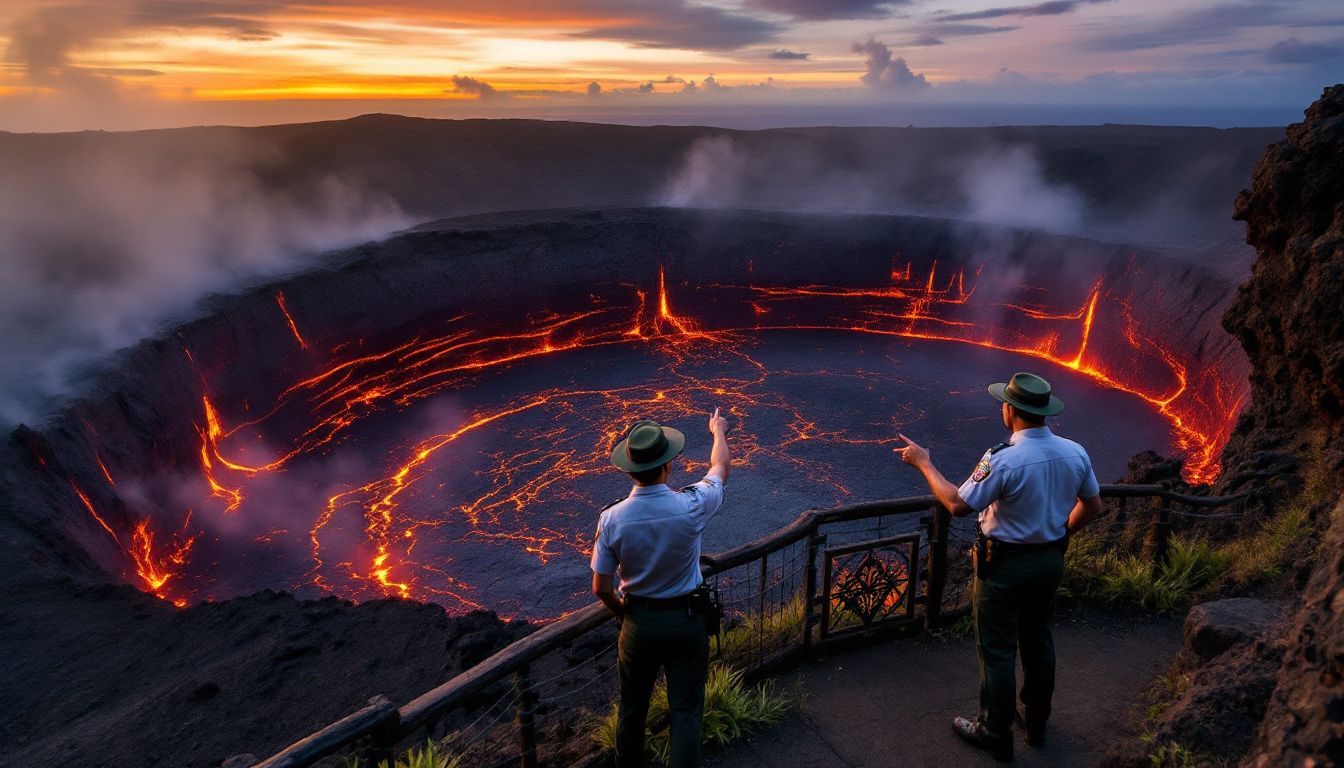
- Hawaiʻi Volcanoes National Park: This park is not just a geological wonder; it is a sacred place. The craters are considered the home of Pele, the goddess of fire and volcanoes. Visit the Kīlauea Visitor Center to learn about her significance and take a ranger-led walk to understand the cultural importance of the landscape.
- Puʻuhonua o Hōnaunau National Historical Park: As mentioned earlier, this “place of refuge” is one of the most significant and well-preserved cultural sites in Hawaii. A self-guided tour here offers a peaceful and profound connection to the past.
- Kona Coffee Farm Tour: Many Kona coffee farms are located on land with a rich history. Choose a tour that not only explains the coffee-making process but also teaches the history of the land and the generations of people who have farmed it, connecting a modern crop to an ancient legacy of agriculture.
Kauaʻi: The Garden Isle’s Ancient Legends
Kauaʻi is the oldest of the main Hawaiian islands, and its dramatic landscapes are steeped in myth and legend. It is a place to connect with the storytelling traditions and the mana (spiritual energy) of the ʻāina.
- Nāpali Coast Guided Tour: The majestic cliffs and valleys of the Nāpali Coast are largely inaccessible by land. Taking a boat or helicopter tour with a guide who is knowledgeable in local lore will bring the landscape to life with stories of the ancient chiefs and gods who inhabited these remote areas.
- Kōkeʻe Natural History Museum: Nestled high in the mountains near Waimea Canyon, this charming museum provides insight into the unique ecology and geology of Kauaʻi. It’s a great starting point before a hike to learn about the native plants and animals and their role in Hawaiian culture.
- Kīlauea Lighthouse and Wildlife Refuge: While known for its bird sanctuary, this site also has cultural significance. A guided tour can explain its history and its role as a navigational landmark, linking modern maritime history with the ancient Polynesian traditions of wayfinding.
Planning Your Trip: Practical Tips for a Respectful Journey
A truly enriching cultural trip begins long before you board the plane. Proper planning, education, and a mindset of respect will ensure that your visit is a positive experience for both you and the host community. These practical tips will help you prepare for a journey that is both memorable and responsible.
6.1. Pre-Visit Education
Investing a small amount of time in learning about Hawaii before you go will pay huge dividends. Arriving with a basic understanding of the history and culture shows respect and allows for much deeper engagement.
- Recommended Reading: To understand the modern history of the islands, consider reading “Shoal of Time: A History of the Hawaiian Islands” by Gavan Daws. It provides a comprehensive and readable account of Hawaii from Western contact to statehood.
- Language Basics: You don’t need to be fluent, but knowing a few key Hawaiian phrases shows that you have made an effort to honor the local culture.
| Hawaiian Phrase | Pronunciation | Meaning |
|---|---|---|
|
Aloha |
a-LO-ha |
Love, hello, goodbye |
|
Mahalo |
ma-HA-lo |
Thank you |
|
|
EYE-na |
Land |
|
|
o-HA-na |
Family |
6.2. Booking Authentic Tours
The tour you choose has a direct impact on the local community. Making a conscious choice to support responsible operators is one of the most important things you can do. Careful selection is key to finding the best Hawaiian cultural tours for tourists.
- Look for Local Ownership: Prioritize tour operators that are owned and operated by Native Hawaiians or long-term local residents. This ensures that the stories are told from an authentic perspective and that the economic benefits stay within the community.
- Check for Certifications: Look for guides who are described as “certified cultural practitioners” or who have formal training in Hawaiian studies. Many responsible tour companies are also certified by the Hawaii Ecotourism Association.
- Ask About Community Give-Back: A truly sustainable tour operator will have a program for giving back, whether it’s through donating to cultural preservation non-profits, participating in land restoration projects, or providing local scholarships.
6.3. Budgeting for Culture
With the average daily visitor spend in Hawaii at $270, it’s wise to allocate a portion of your budget specifically for authentic experiences. Investing in a high-quality cultural tour is often far more memorable and valuable than spending on generic attractions.
- Value Over Price: A well-guided, small-group cultural tour may cost more than a large bus tour, but the quality of the experience is incomparable. You are paying for the guide’s expertise, intimate knowledge, and the privilege of respectful access to special places.
- Free Cultural Experiences: Not all cultural engagement has to cost money. Many experiences are free and offer a wonderful glimpse into local life. Visiting public historical sites, exploring the cultural centers found in many towns, or respectfully observing a community event are all great ways to connect without spending a dime. Always remember to be a respectful observer in these public spaces.
Conclusion: Your Journey Has Just Begun
Hawaii offers a travel experience that can be as profound and life-changing as you want it to be. By looking beyond the world-famous beaches and luxury resorts, you open the door to a culture of incredible depth, resilience, and beauty. We’ve seen that authentic engagement begins not with a ticket, but with a mindset of respect and a desire to learn. Understanding core values like Aloha, ʻOhana, and Mālama ʻĀina is the first step toward becoming a more conscious and welcomed visitor.
Your trip to Hawaii is more than just a vacation; it is an opportunity to support the preservation of one of the world’s most unique indigenous cultures. The choices you make—from the tours you book to the way you interact with the land and its people—have a real impact. We encourage you to use this guide to plan your trip, to book at least one authentic cultural tour, and to share your respectful experiences with others when you return home. Come as a visitor, leave as a friend—a part of the extended ʻohana.
Frequently Asked Questions (FAQ)
Q: What is the most important thing to know before taking a Hawaiian cultural tour?
A: The most crucial element is approaching the experience with respect. Understanding core values like Aloha (love, respect), ʻOhana (family, community), and especially Mālama ʻĀina (caring for the land) will transform your visit from a simple vacation into a meaningful cultural exchange.
Q: Are all luaus authentic? How can I find a good one?
A: No, authenticity varies greatly. Look for luaus that feature traditional elements like an imu (underground oven), perform ancient hula (hula kahiko) that tells a story, and are preferably owned or operated by members of the local Hawaiian community. A focus on storytelling over spectacle is a key sign of an authentic experience.
Q: Can I visit sacred sites like a heiau (temple) on my own?
A: While some historical parks are open to the public for self-guided tours, it is highly recommended to visit sacred sites with a certified cultural guide. They can provide the proper context, share the history respectfully, and ensure you follow the correct etiquette, as many of these places are still considered sacred to Native Hawaiians.