This ultimate Hawaii travel checklist for first-timers provides a complete guide to planning your dream vacation. It covers essential pre-departure steps, a detailed packing list, critical ocean and hiking safety tips, island-specific advice for Oahu, Maui, the Big Island, and Kauai, and common mistakes to avoid. Follow this guide to ensure your first trip to paradise is stress-free and unforgettable.
Table of Contents
- Your Pre-Departure Hawaii Vacation Planning Guide
- What to Pack for Hawaii Vacation: The Essentials
- Hawaii Travel Safety Tips for Tourists
- Island-Specific “Must-Knows” for a Perfect First Visit
- Common Hawaii Travel Mistakes (And How to Avoid Them)
- Conclusion – Your Adventure Awaits
- Frequently Asked Questions
Welcoming nearly 10 million visitors in a typical year, Hawaii is a dream destination for travelers across the globe. If you are one of the millions planning your first trip, the sheer amount of information can feel overwhelming. That’s why we’ve created the ultimate Hawaii travel checklist for first timers, designed to turn your travel anxiety into pure excitement. This guide will walk you through every step of the process, from booking flights to understanding local customs, ensuring your first visit to paradise is flawless.
This comprehensive guide covers everything you need to know. We’ll cover essential pre-departure planning, a detailed packing guide for your first Hawaii vacation, critical safety tips, island-specific advice, and common mistakes to avoid. By the end, you’ll be more than ready to embrace the Aloha Spirit.

Your Pre-Departure Hawaii Vacation Planning Guide (3-6 Months Out)
Proper planning is the foundation of a stress-free trip. This section of our Hawaii travel checklist for first timers covers the crucial steps you need to take months before you even pack your bags. Getting these details sorted out early will save you from headaches and high costs down the line.
Documentation and Legal Requirements
First, ensure your travel documents are in order. This is a non-negotiable first step that should be handled as early as possible.
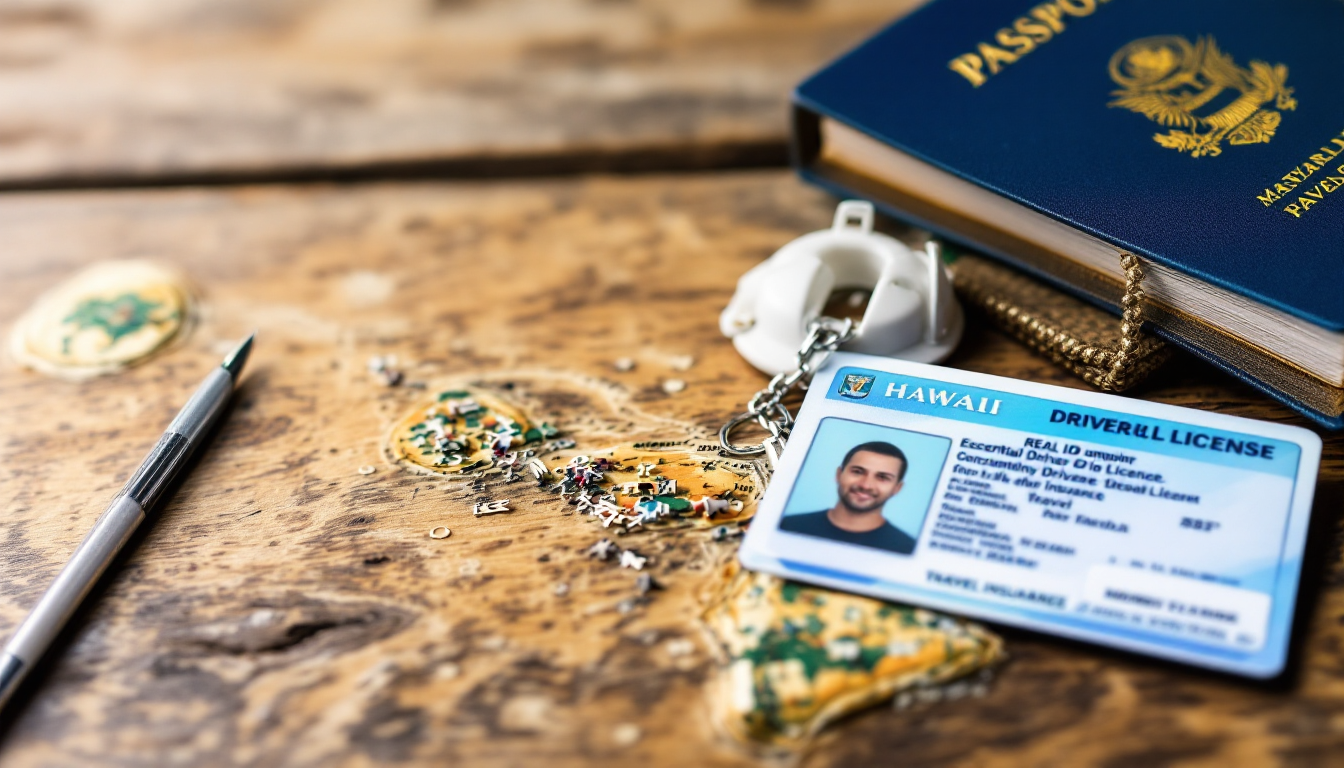
- Identification: For U.S. domestic travelers, a REAL ID-compliant driver’s license or a passport is required for air travel. International visitors must have a valid passport. Depending on your country of origin, you may also need a visa or an ESTA (Electronic System for Travel Authorization), so be sure to check U.S. entry requirements well in advance.
- Travel Insurance: Hawaii’s adventurous activities, from snorkeling in coral reefs to hiking volcanic trails, make travel insurance a must-have. A good policy is your financial safety net. Ensure your plan covers medical emergencies, trip cancellations, and any specific activities you plan to enjoy, like surfing lessons or helicopter tours. Don’t treat this as an optional expense; it’s essential for peace of mind.
Budget Planning and Money Matters
Hawaii has a higher cost of living compared to the mainland U.S., so a well-thought-out budget is key to enjoying your trip without financial surprises.
- Cost Breakdown: Create a spreadsheet and break down your estimated budget into key categories: flights, accommodation, rental car, food, activities, and souvenirs. Research average costs for each to set a realistic goal.
- Tipping Culture: Tipping is customary in Hawaii, just as it is in the rest of the United States. Plan to tip 15-20% for good service at restaurants, for tour guides, and for other service providers.
- Payment Methods: While credit cards are widely accepted everywhere, it’s always wise to carry some cash. You’ll find it useful for smaller local shops, food trucks, farmers’ markets, and leaving tips.

Accommodation and Transportation Strategy
Booking your stay and transport early is critical, especially during peak seasons (mid-December to March and June to August).
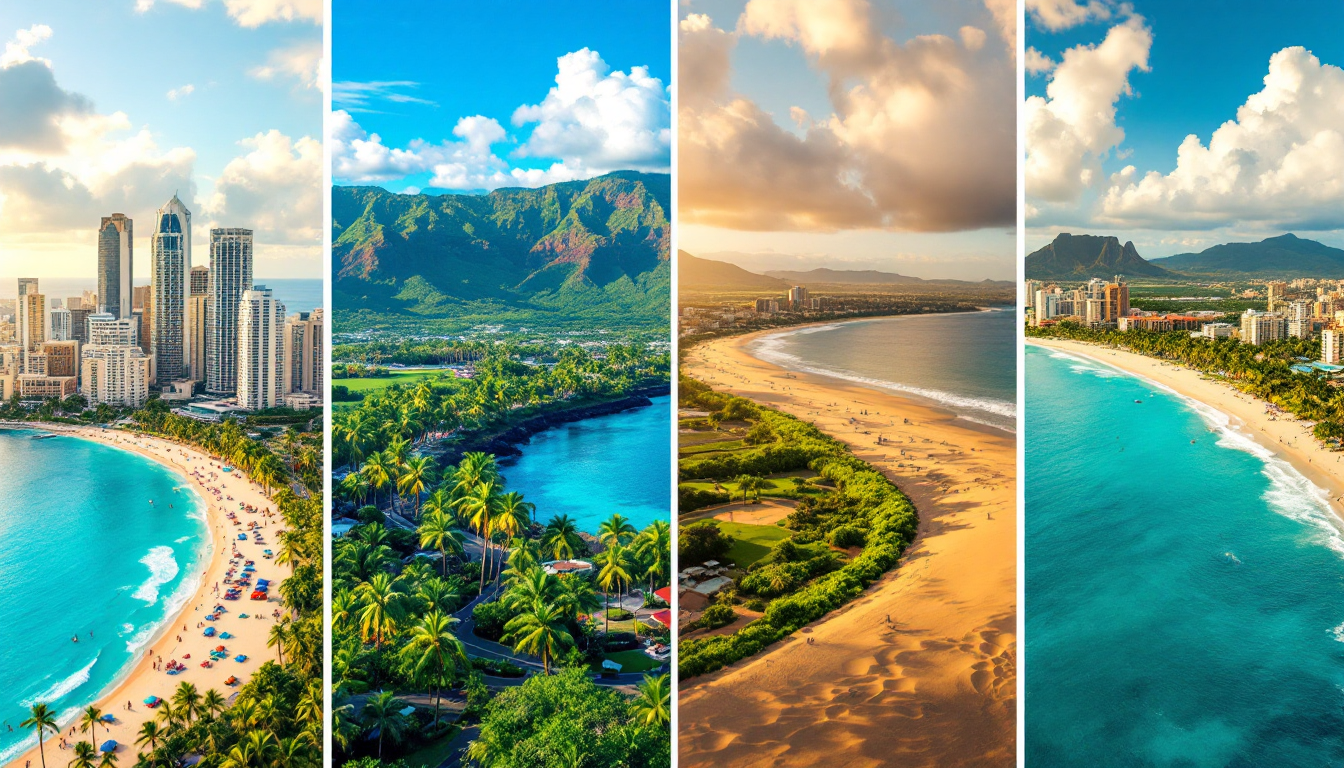
- Choosing Your Island: For a first visit, Oahu is highly recommended. It offers a fantastic mix of city life in Honolulu, the history of Pearl Harbor, and the world-famous Waikiki Beach. If you’re seeking romance, Maui is perfect. For raw adventure and volcanoes, choose the Big Island. For lush, dramatic nature, Kauai is unbeatable.
- Rental Cars: Hawaii’s popularity means rental cars book up fast. To avoid sky-high prices or, even worse, no availability, reserve your car as soon as you book your flights. This is especially true for islands like Maui and Kauai, where a car is essential for exploring.
What to Pack for Hawaii Vacation First Visit: The Essentials
Packing for Hawaii is all about preparing for sun, sea, and adventure. This Hawaii travel checklist ensures you have everything you need without overpacking. The key is to choose versatile, lightweight items that will keep you comfortable in the tropical climate.
Essential Clothing for a Tropical Climate
Focus on breathable fabrics that will keep you cool and dry.
| Clothing Category | Items to Pack | Pro Tip |
|---|---|---|
| Daytime Wear | T-shirts, tank tops, shorts, sundresses. | Choose quick-dry materials to stay comfortable in the humidity. |
| Swimwear | At least 2-3 swimsuits per person. | This allows one to dry completely while you wear another. |
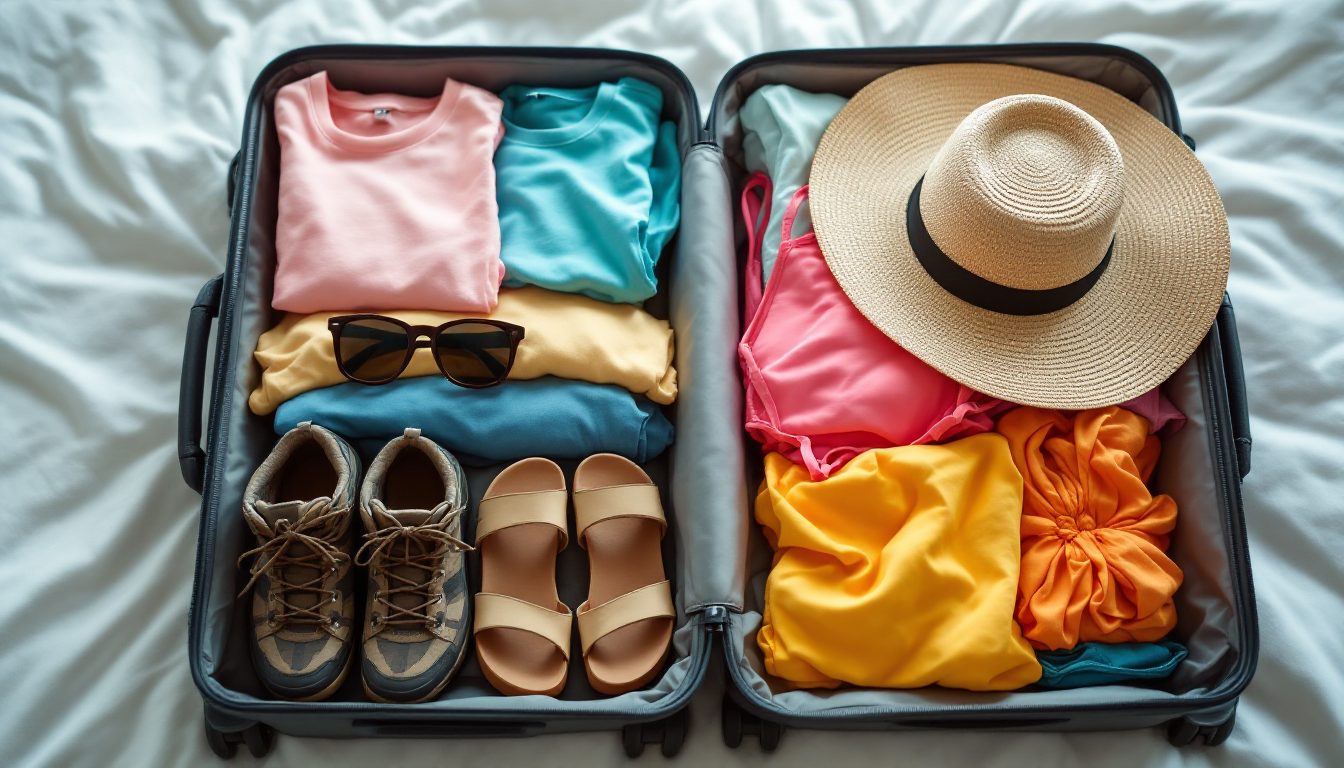
| Sun Protection | Wide-brimmed hat, UV-blocking sunglasses, long-sleeved rash guard (UPF-rated). | A rash guard is invaluable for long snorkeling sessions or surfing. |
| Evening Attire | A nice sundress, polo shirt with chinos, or linen pants. | Pack a few smarter outfits for upscale dinners or traditional luaus. |
Footwear for Every Occasion
You will need more than just a single pair of flip-flops to enjoy Hawaii safely and comfortably.
- Water Shoes: A pair of sturdy water shoes is essential for exploring rocky shorelines and snorkeling over coral.
- Walking Sandals: For sightseeing and general walking, pack a pair of comfortable sandals with good arch support.
- Hiking Boots: If you plan to explore trails in Volcanoes National Park or Haleakalā, proper hiking boots are a must for safety and stability.
Beach and Water Activity Gear
To protect both yourself and Hawaii’s delicate ecosystem, a few specific items are mandatory.
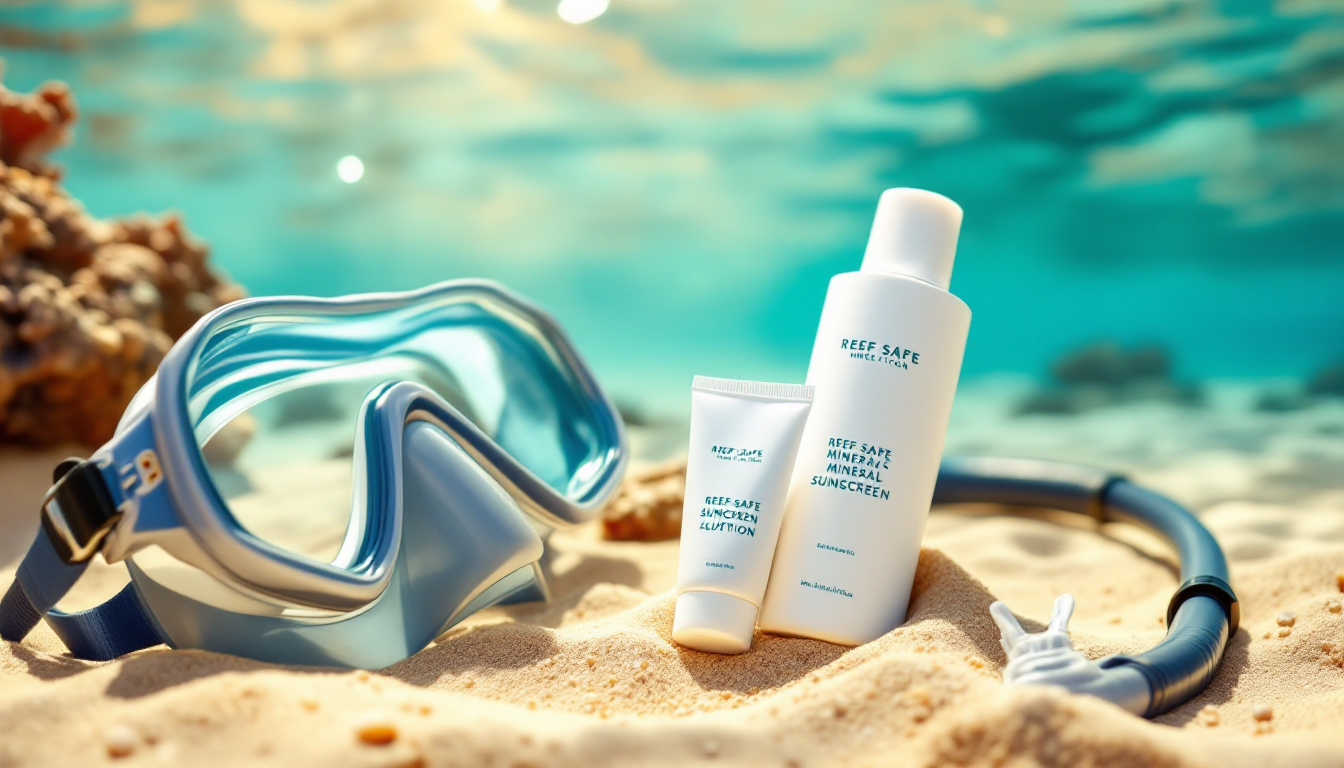
- Reef-Safe Sunscreen: This is one of the most important items on your list. A Hawaii state law prohibits the sale and distribution of sunscreens containing the chemicals oxybenzone and octinoxate, as they are proven to damage and kill coral reefs. You must pack a high-SPF, mineral-based sunscreen that uses zinc oxide or titanium dioxide.
- Snorkeling Gear: While you can rent gear, bringing your own mask and snorkel ensures a perfect, leak-free fit and is more hygienic. Fins are bulky and can usually be rented easily on-site.
- Essential Accessories: A waterproof phone pouch is a must-have for taking photos at the beach. A larger dry bag is also invaluable for boat tours, keeping your electronics, wallet, and keys completely safe from water.
Health and First-Aid Kit
A small, personalized first-aid kit can be a lifesaver. Include basics like pain relievers, motion sickness medication (especially for boat trips or the Road to Hana), antiseptic wipes, bandages, and soothing aloe vera gel for inevitable sunburns. Most importantly, don’t forget to pack any personal prescription medications you need.
Hawaii Travel Safety Tips for Tourists
Hawaii is a paradise, but it’s also a powerful natural environment that demands respect. This Hawaii tourist safety guide focuses on the most critical safety measures every visitor must follow. Your well-being depends on understanding and heeding these warnings.
Ocean and Beach Safety: Your #1 Priority
The beautiful Pacific Ocean is Hawaii’s biggest attraction, but it’s also its biggest hazard.
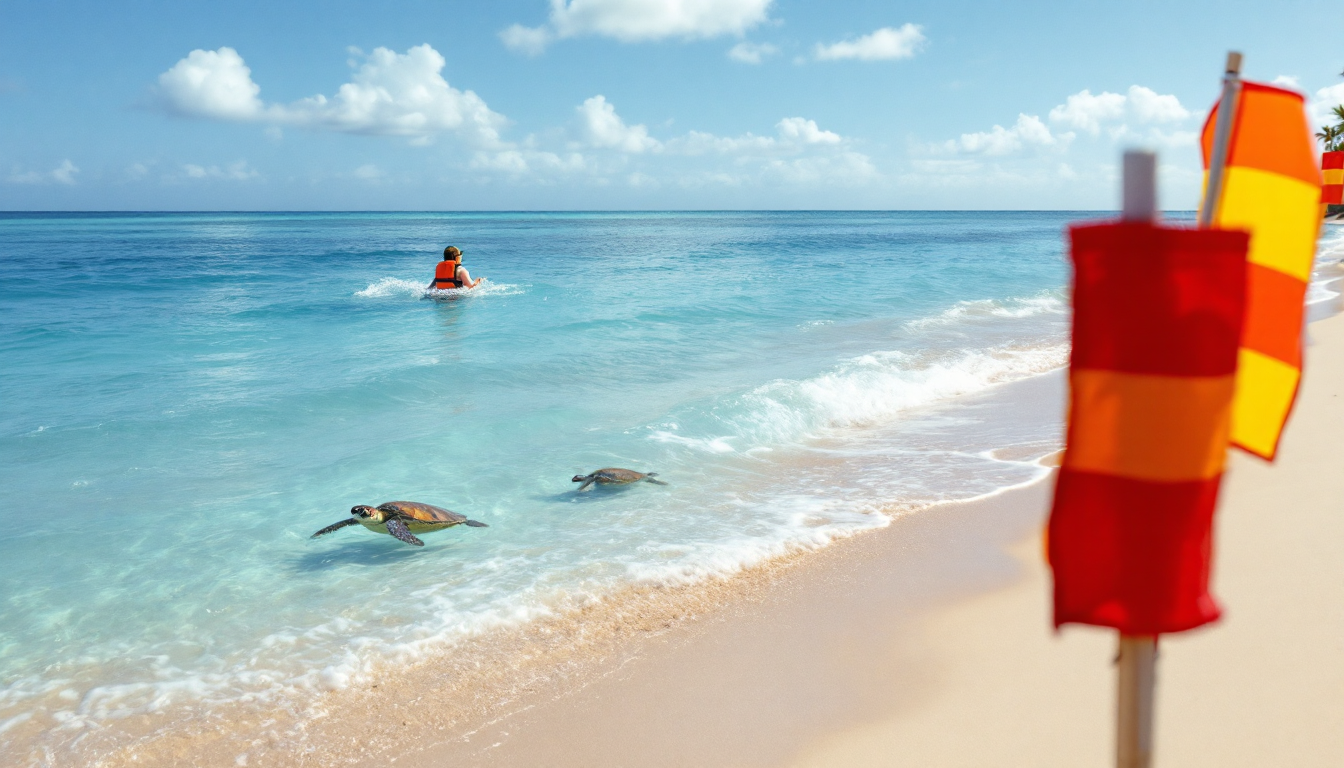
- Heed All Warnings: Never, ever turn your back on the ocean. Waves can be powerful and unpredictable, even on a calm-looking day. Always look for warning signs and flags at beaches. A red flag means dangerous conditions are present, and you should not enter the water.
- Understand Rip Currents: Rip currents are strong, narrow channels of water that flow away from the shore. If you get caught in one, the most important rule is to not panic or fight it. This will only exhaust you. Instead, swim parallel to the shoreline until you feel the pull lessen, then swim back to shore.
- Respect Marine Life: Hawaii’s marine animals are protected by law. You must stay at least 10 feet (3 meters) away from Hawaiian Green Sea Turtles (honu) and 50 feet (15 meters) from Hawaiian Monk Seals. Never touch them or the fragile coral reefs. Observe their beauty from a safe and respectful distance.
Hiking and Adventure Safety
Hawaii’s trails offer breathtaking views, but they can also be treacherous if you’re unprepared.
- Prepare for the Trail: Always check the weather forecast before you start a hike. A sunny morning can quickly turn into a rainy afternoon, making trails slippery and dangerous. Wear appropriate footwear, bring more water than you think you’ll need, and pack high-energy snacks.
- Inform Others: Cell service is unreliable in many remote areas, state parks, and deep valleys. Always tell someone your hiking plans, including where you are going and when you expect to return.
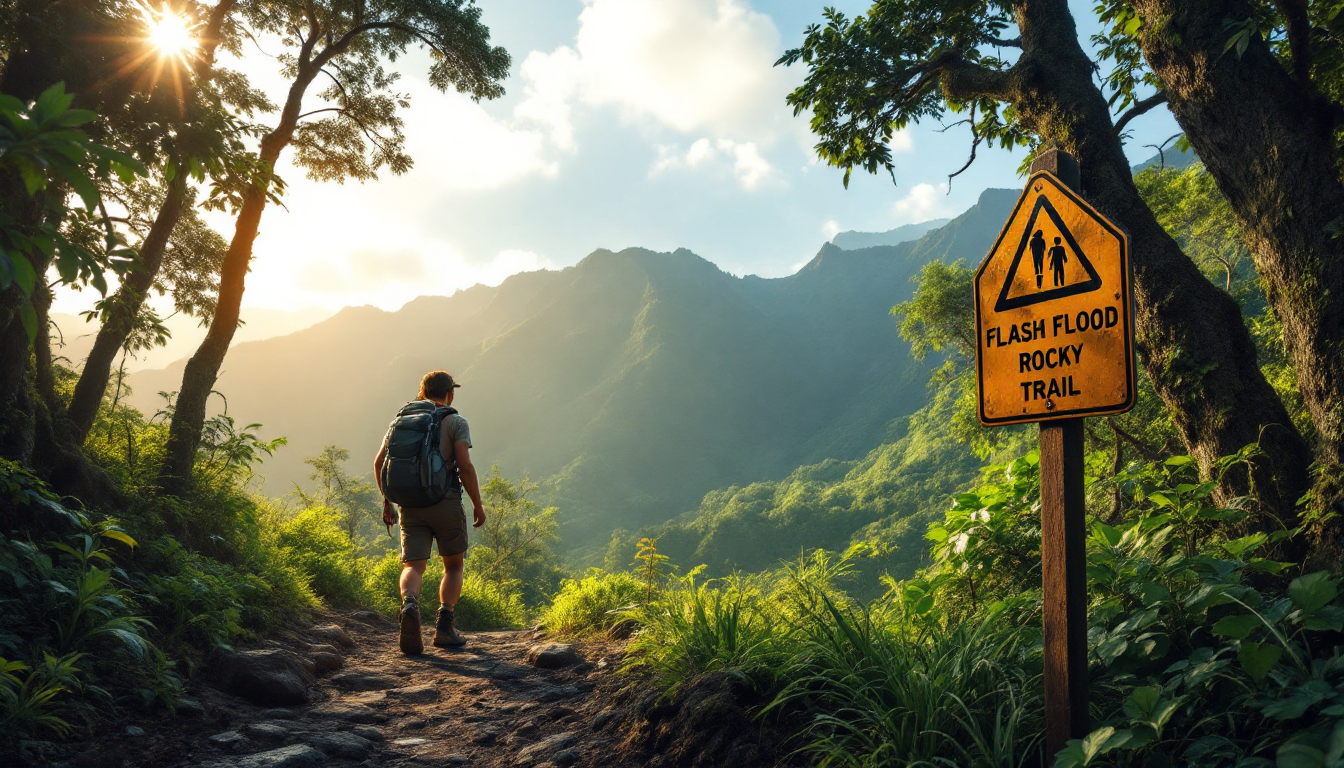
- Beware of Flash Floods: Be extremely cautious in valleys and near streams. Flash floods can occur with very little warning, even if it isn’t raining in your immediate area. Rain further upstream can send a wall of water rushing down.
Health and Environmental Preparedness
The tropical environment requires specific health precautions.
- Sun and Heat Safety: The Hawaiian sun is intense. Prevent sunstroke and dehydration by drinking water continuously throughout the day, not just when you feel thirsty. Seek shade during the peak sun hours of 10 a.m. to 4 p.m.
- Altitude Sickness: If your plans include visiting the summits of Haleakalā on Maui or Mauna Kea on the Big Island, be aware of altitude sickness. Both peaks are over 10,000 feet. To prevent symptoms like headache and nausea, ascend slowly, stay hydrated, and avoid strenuous activity at the summit.
Island-Specific “Must-Knows” for a Perfect First Visit
Each Hawaiian island has a unique personality and its own set of rules and must-do activities. Knowing these island-specific details in advance will make your Maui first visit smoother or your Big Island preparation more effective.
Oahu Travel Tips
- Pearl Harbor: Tickets to the USS Arizona Memorial are free, but they are in high demand and must be reserved online in advance. The booking window opens up weeks ahead, and tickets are often claimed within minutes. Parking is also limited, so plan to arrive early for your scheduled time.
- Waikiki and Transportation: Waikiki is vibrant and exciting, but it’s also very crowded. Parking is expensive and difficult to find. Consider using Oahu’s excellent public transit system, “TheBus,” or ride-sharing apps to get around the Honolulu and Waikiki areas.
Maui Must-Knows
- Haleakalā National Park Sunrise: Witnessing the sunrise from the summit of Haleakalā is a bucket-list experience, but it requires planning. A reservation is required to enter the park between 3 a.m. and 7 a.m. These reservations become available online up to 60 days in advance and are extremely competitive. Remember to pack warm layers, including hats and gloves, as the summit is freezing cold before dawn.
- The Road to Hana: This is an all-day journey, not a race. The famous drive is long and features over 600 hairpin turns and dozens of single-lane bridges. Start early in the morning, pack plenty of snacks and water, and download an offline map or audio guide, as cell service is nonexistent for most of the drive.

Big Island Specifics
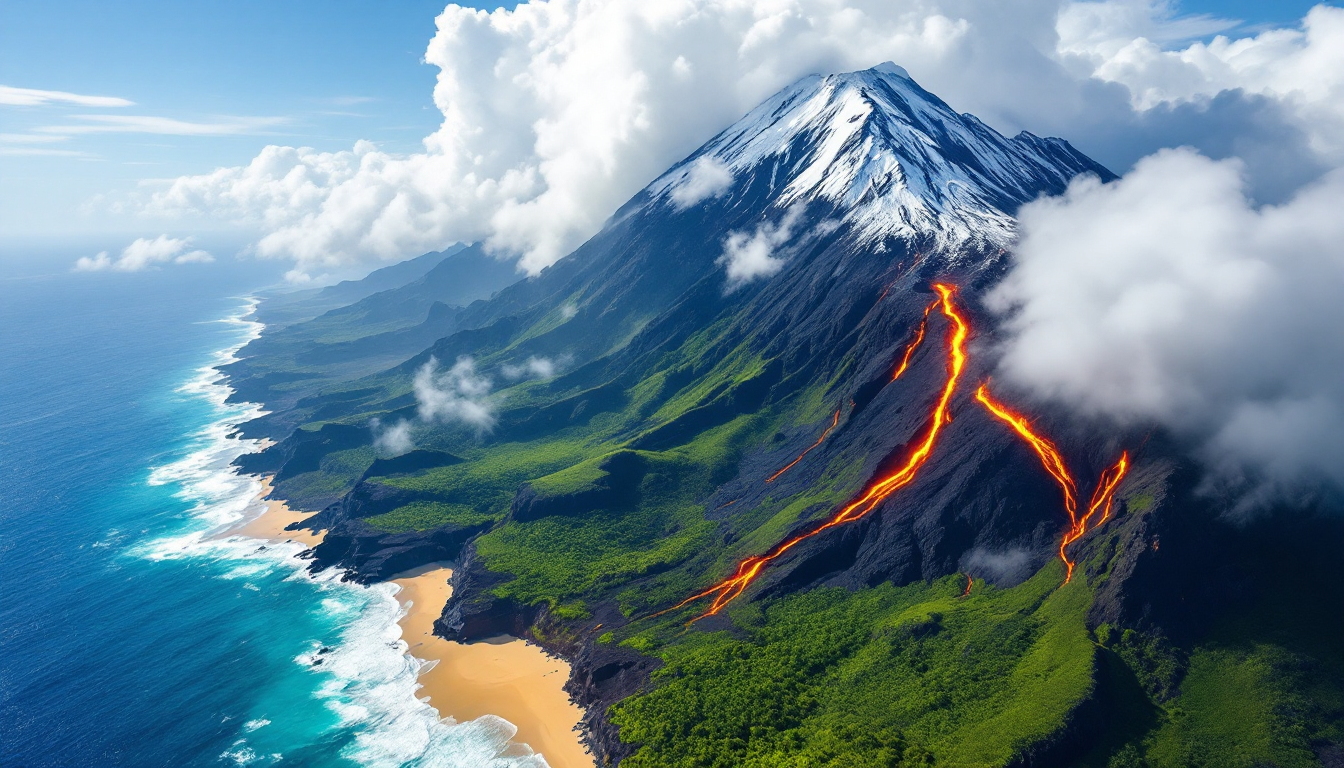
- Volcanoes National Park: The Big Island is geologically active. Before you visit, always check the park’s official website for the latest updates on conditions. Volcanic activity, such as vog (volcanic smog) or lava flows, can close roads and trails without any notice.
- Diverse Climates: The Big Island is home to nearly a dozen different climate zones. You can go from a sunny beach to a misty rainforest to a cold alpine summit all in one day. Pack layers, including proper rain gear for the wet Hilo side and warmer clothes for the high altitudes of the volcanoes.
Kauai Considerations
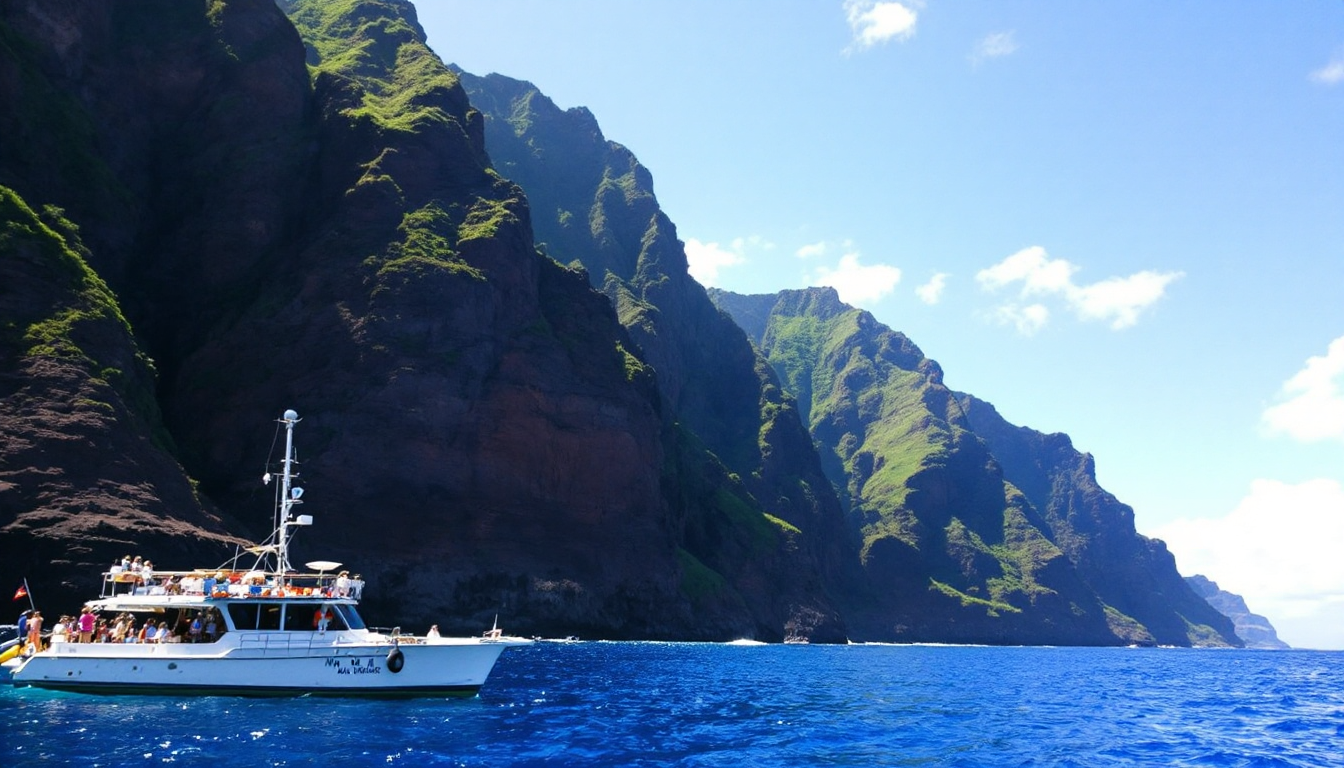
- Na Pali Coast: The stunning and rugged Na Pali Coast is the crown jewel of Kauai. It’s best seen by a boat tour or helicopter tour. If you are an experienced hiker and plan to tackle any part of the famous Kalalau Trail, you must secure a permit, which often sells out months in advance.
- Advanced Bookings: Kauai has a more rural, laid-back vibe than Oahu or Maui. This also means that rental cars, popular tours (like boat trips), and dinner reservations at sought-after restaurants need to be booked well ahead of your arrival.
Common Hawaii Travel Mistakes (And How to Avoid Them)
Knowing what not to do in Hawaii is just as important as knowing what to do. Avoiding these common pitfalls will ensure your trip is respectful, safe, and enjoyable for everyone. These simple tips can make a huge difference in your experience.
Planning Pitfalls to Sidestep
Many first-timers make the mistake of trying to see and do too much.
- Avoid Over-Scheduling: The magic of Hawaii is found in “island time,” a relaxed, unhurried pace of life. Don’t pack your itinerary from dawn until dusk. Build in plenty of unscheduled time for relaxing on the beach, discovering a local food spot, or simply soaking in the scenery.
- Don’t Underestimate Travel Time: Distances on a map can be deceiving. Driving between locations on any of the islands can take much longer than you might think due to traffic, winding two-lane roads, and lower speed limits. Always use a map app for realistic time estimates before you head out.
Safety and Cultural Oversights
These mistakes can have serious consequences for your safety and show disrespect to the local culture.
- Ignoring Warning Signs: This is the single most critical mistake a visitor can make. Warning signs on beaches and at the start of hiking trails are not suggestions; they are there for a reason and are based on years of local knowledge. Respect them to protect yourself and your family.
- Disrespecting Sacred Sites (‘Heiau’): Throughout the islands, you will find ancient Hawaiian temples and cultural sites known as ‘heiau.’ These are sacred places. Do not touch, move, or take any rocks. Do not climb on stone walls or platforms. Treat these sites with the same reverence you would a church or temple. They are not tourist playgrounds.

Conclusion – Your Adventure Awaits
Your first trip to Hawaii has the potential to be the vacation of a lifetime. The key to unlocking its full magic lies in thoughtful preparation and a deep respect for the land and its culture. By following this Hawaii travel checklist for first timers, you’re no longer just a tourist; you’re a well-prepared and respectful visitor ready to fully embrace the Aloha Spirit. From the powerful waves of the North Shore to the serene sunrises above the clouds, an unforgettable adventure is waiting for you.
You are now ready for the trip of a lifetime. Have you been to Hawaii? Share your own essential tips for first-timers in the comments below
Frequently Asked Questions
Q: What is the single most important item to pack for Hawaii?
A: Reef-safe sunscreen. A Hawaii state law bans sunscreens with oxybenzone and octinoxate, which harm coral reefs. Pack a mineral-based sunscreen with zinc oxide or titanium dioxide to protect both your skin and the delicate marine ecosystem.
Q: Do I really need to rent a car for my first visit?
A: For most islands, yes. A rental car is essential for exploring islands like Maui, Kauai, and the Big Island at your own pace. While you might manage in Honolulu and Waikiki on Oahu using public transport and ride-sharing, a car offers the freedom to discover hidden beaches and remote sights. Book it well in advance!
Q: Is it true I need a reservation to see the sunrise at Haleakalā?
A: Yes, this is a critical planning step for Maui. A reservation is mandatory to enter Haleakalā National Park between 3 a.m. and 7 a.m. These reservations are highly competitive and must be booked online up to 60 days in advance. Don’t forget to pack warm clothes, as the summit is very cold before dawn.