This ultimate guide provides a comprehensive 4-season packing strategy, transforming you into an expert for any adventure. We’ll cover everything from mastering what to pack for summer adventure travel and gathering essential gear for winter trips abroad, to navigating the unpredictable weather of spring and fall. By focusing on smart layering, versatile gear, and crucial seasonal travel safety and health tips, this guide ensures you travel with confidence, prepared for any climate or situation.
Table of Contents
Imagine standing at a mountaintop vista, perfectly comfortable on your summer trek, or feeling cozy while watching the northern lights on a winter escape. The secret isn’t magic; it’s masterful packing. Figuring out what to pack for summer adventure travel can feel overwhelming, but this guide will transform you into a packing expert for any season, any destination. Recent travel news highlights how often improper packing leads to stressful delays or even dangerous situations, a problem this guide is designed to solve. This is your definitive guide to packing for any trip, covering everything from essential gear to crucial seasonal travel safety and health tips, ensuring you’re prepared for whatever the world throws at you.
This comprehensive resource will walk you through the specific needs of each season, from the sun-drenched trails of summer to the frozen landscapes of winter. We will explore the art of layering, the importance of fabric choice, and the non-negotiable safety items that should be in every traveler’s bag. By the end of this guide, you will have the confidence to build a packing list that is smart, efficient, and perfectly tailored to your next adventure, leaving you free to focus on making memories instead of worrying about what you left behind.

Summer Adventure Travel: Conquering the Heat
This section provides a deep dive into what to pack for summer adventure travel, ensuring you stay cool, protected, and ready for anything. The key to a successful summer trip is managing heat and sun exposure without sacrificing comfort or mobility. With many popular travel destinations experiencing record high temperatures, smart packing is more critical than ever for both enjoyment and safety.
Clothing Essentials: The Power of Fabrics and Layers
The core principle for summer clothing is to choose materials that are lightweight, breathable, and moisture-wicking. These fabrics pull sweat away from your skin, allowing it to evaporate quickly and keep you cool. Look for items made from merino wool, nylon, and polyester blends. Unlike cotton, which traps moisture and becomes heavy, these technical fabrics are designed for performance in the heat. Opt for loose-fitting, light-colored clothing that reflects sunlight rather than absorbing it.
Your summer checklist should include:
-
Moisture-Wicking T-shirts/Tanks: At least three to four, depending on trip length.
-
Convertible Hiking Pants: These are incredibly versatile, transforming into shorts when the temperature climbs.
-
Shorts: A comfortable pair for relaxed days or strenuous hikes.
-
Packable Light Jacket: For cooler evenings, high altitudes, or aggressive air conditioning. A light windbreaker is a great option.
-
Swimwear & Cover-Up: Essential for beach destinations, lakes, or even just a hotel pool.
Sun Protection Gear: Your Non-Negotiable Shield
Effective sun protection is not just about comfort; it’s a crucial health measure. Your sun defense kit should be robust and used daily.
|
Protection Type |
Specification |
Why It’s Essential |
|
Sunscreen |
Broad-spectrum, water-resistant, SPF 30+. Use SPF 50+ for tropical, desert, or high-altitude locations. |
Protects against both UVA (aging) and UVB (burning) rays. Water resistance is key for swimming or sweating. |
|
Headwear |
A wide-brimmed hat. |
Provides critical shade for your face, ears, and the back of your neck—areas that are highly susceptible to sunburn. |
|
Sunglasses |
UV-blocking, polarized lenses. |
Protects your eyes from harmful UV radiation and reduces glare from water, sand, and pavement, preventing eye strain. |
|
Protective Clothing |
Items with a UPF (Ultraviolet Protection Factor) rating of 50+. |
As mentioned in expert travel research, UPF clothing offers a physical barrier against the sun’s rays and is often the most reliable form of protection during peak sun hours (10 a.m. to 4 p.m.). |
Footwear for Every Summer Adventure
The right footwear can make or break an adventure trip. Blisters and foot pain are trip-ruiners, so prioritize shoes that are broken-in and appropriate for your planned activities.
-
For Hiking: Choose breathable hiking shoes or trail runners that offer good grip and ankle support without being overly heavy.
-
For Water Sports: Pack water shoes or secure sandals (not flip-flops) for activities like kayaking, exploring rocky coastlines, or walking through rivers.
-
For Urban Exploration: Comfortable walking sandals or lightweight, breathable sneakers are perfect for long days spent exploring cities and towns.
Essential Gear and Tech for Warm Climates
Beyond clothing, a few key items will significantly improve your summer travel experience.
-
Hydration: Staying hydrated is paramount. Carry a reusable water bottle to reduce plastic waste and ensure you always have water. For long hikes or activity-heavy days, a hydration reservoir (like a CamelBak) allows for easy, hands-free sipping.
-
Electronics Protection: A waterproof dry bag is an inexpensive but invaluable tool. It will protect your phone, camera, and power bank from sudden downpours, splashes on a boat, or beach sand.
-
Summer First-Aid Kit: Adapt your basic kit for summer conditions. Must-haves include a quality insect repellent (with DEET or Picaridin for maximum effectiveness), soothing aloe vera gel for sunburns, antihistamine cream or pills for bug bites and allergic reactions, and specialized blister treatments like Moleskin.
Winter Trips Abroad: Mastering the Cold
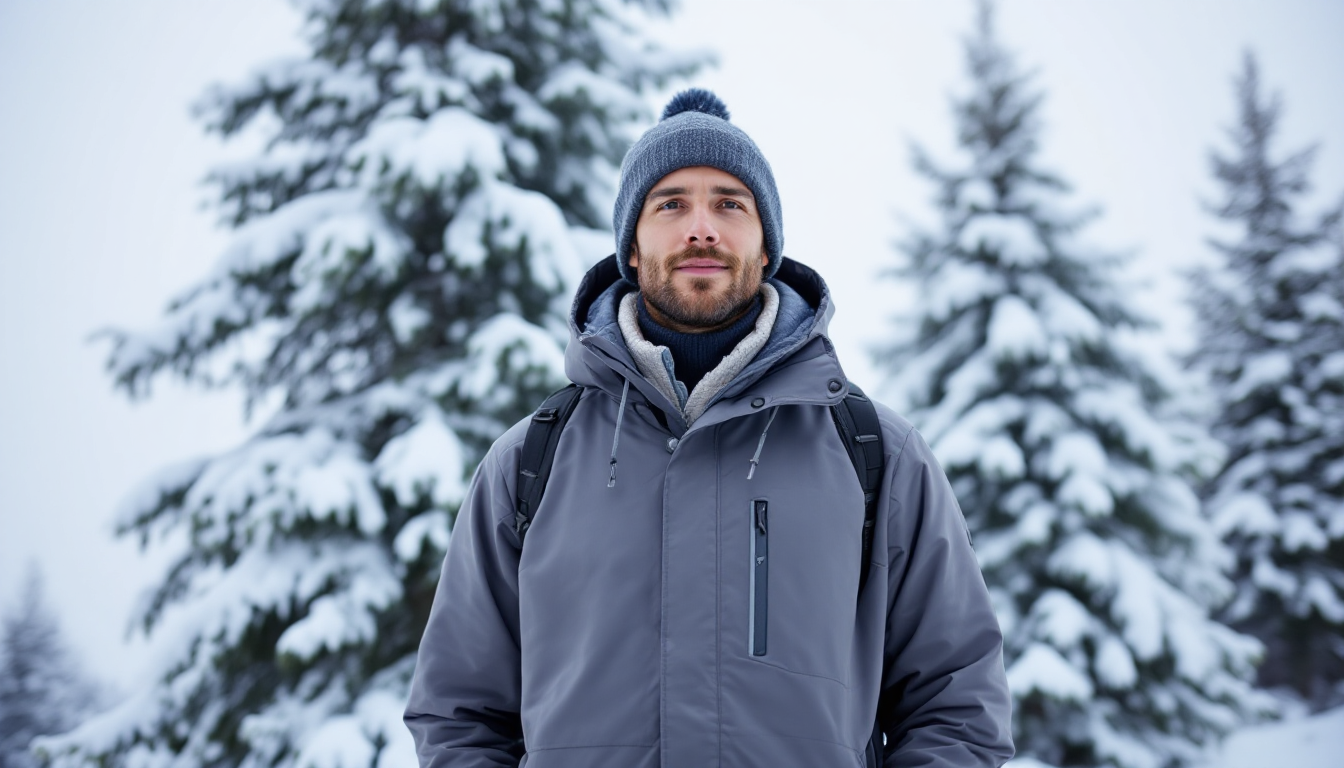
When planning a cold-weather getaway, having the essential gear for winter trips abroad is the difference between a magical experience and a miserable, or even dangerous, one. The goal is not just to survive the cold but to thrive in it. This requires a systematic approach to clothing, accessories, and gear that protects you from freezing temperatures, wind, and moisture.
The 3-Layer System: Your Ultimate Defense
The most effective way to dress for the cold is not with one giant, bulky coat, but with three distinct, versatile layers. This system traps warm air while allowing moisture to escape, keeping you both warm and dry.
-
Base Layer: This is the layer directly against your skin. Its primary job is to wick sweat away to prevent you from getting chilled. Your base layer should be made of merino wool or a synthetic fabric like polyester. Absolutely avoid cotton, as it absorbs moisture and will make you colder.
-
Mid Layer (Insulation): This layer’s function is to trap your body heat. It should be worn over your base layer. Excellent options for your mid-layer include fleece jackets, down vests, or wool sweaters. The thickness of this layer can be adjusted based on the temperature and your activity level.
-
Outer Layer (Shell): This is your shield against the elements. Your outer shell must be both waterproof and windproof to protect you from snow, sleet, and biting winds. Look for high-quality jackets with technologies like Gore-Tex that offer durable protection while still being breathable.
Essential Winter Clothing & Accessories
Beyond the layering system, several other pieces of clothing are non-negotiable for a winter trip.
|
Category |
Recommended Items |
Key Features |
|
Bottoms |
Insulated & waterproof ski/snow pants; Fleece-lined leggings or thermal long underwear. |
Waterproof pants are for outdoor activities. Fleece-lined leggings are great for wearing under regular pants in cold cities. |
|
Footwear |
Insulated, waterproof boots with deep treads/good grip. |
Essential for preventing slips on ice and snow and for keeping your feet warm and dry. Frostbite is a serious risk with improper footwear. |
|
Socks |
Thick wool or synthetic socks. |
Pack multiple pairs. It’s crucial to have dry socks, as damp feet get cold extremely quickly. |
|
Accessories |
Warm hat (beanie), insulated/waterproof gloves or mittens, scarf or neck gaiter. |
A significant amount of body heat is lost through your head. Mittens are often warmer than gloves as they keep your fingers together. |
Tech and Safety in the Cold
Cold weather presents unique challenges for both your electronics and your health.
-
Preserve Battery Life: Cold temperatures drain batteries at an astonishing rate. The chemical reactions inside lithium-ion batteries slow down in the cold, drastically reducing their output. To combat this, keep your phone and a portable power bank in an internal pocket close to your body heat to preserve their charge.
-
Winter Health Kit: Augment your standard first-aid kit. Add a lip balm with SPF, as the sun reflecting off snow can cause severe sunburn on your lips. Include a heavy-duty moisturizer or lotion to combat the dry, cold air that can chap your skin. And as always, pack any personal medications you require. For extreme cold, consider adding a few disposable thermal hand and foot warmers for an extra heat boost.
Spring and Fall Trips: Navigating the In-Between
The shoulder seasons of spring and fall offer fewer crowds and beautiful scenery, but they are notorious for unpredictable weather. Success lies in following smart packing tips for spring and fall trips, with a focus on adaptability. You might experience warm sunshine, chilly winds, and unexpected rain all in the same afternoon.
The Golden Rule: Versatility and Layering
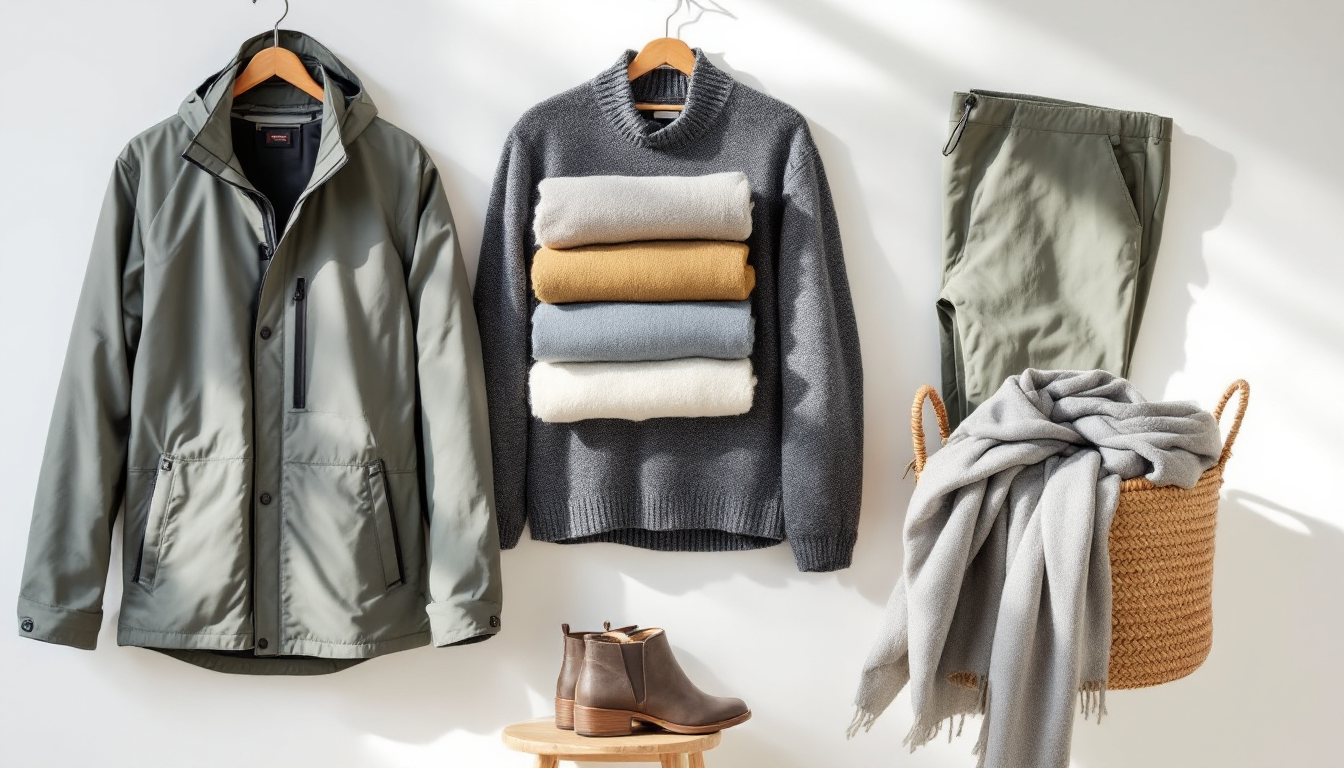
Layering isn’t just for winter; it’s the secret to comfort during spring and fall travel. However, the layers are lighter and more adaptable. The goal is to be able to add or remove clothing easily as conditions change throughout the day. Your packing list should be built around versatile pieces that can be mixed and matched.
Key items for a transitional weather wardrobe include:
-
A packable waterproof and wind-resistant jacket is the most crucial piece of gear. It can be worn over a t-shirt in a light drizzle or layered over a fleece in colder, windier conditions.
-
Several long-sleeve tops that can be worn alone or under a sweater.
-
A cozy fleece jacket or a warm sweater for insulation.
-
A mix of long pants and/or skirts that can be worn with leggings for extra warmth.
-
A stylish and functional scarf can add a surprising amount of warmth and change the look of an outfit.
Smart Clothing and Footwear Choices
Look for clothing that can serve multiple purposes to save space and weight in your luggage.
-
Transitional Pieces: Convertible pants that zip off into shorts are perfect for destinations with large temperature swings between day and night. A vest is another excellent item, as it adds warmth to your core without the bulk of a full jacket.
-
Footwear: Your shoes need to be ready for anything. Waterproof walking shoes or comfortable ankle boots are ideal choices. They are sturdy enough for cobblestone streets and light trails, and they will keep your feet dry during an unexpected downpour. Always choose closed-toe shoes to protect your feet from the elements.
Seasonal Health Considerations
Each shoulder season comes with its own minor health challenges to prepare for.
-
Spring Allergies: If you are prone to seasonal allergies, spring travel can be challenging. Be sure to pack your preferred antihistamines and any other necessary allergy medications, as finding your specific brand abroad can be difficult.
-
Fall Preparedness: As autumn progresses, be prepared for cooler temperatures, especially in the evenings and at night. Always pack a warm hat and a pair of light gloves. These small items take up very little space but make a huge difference in comfort when the temperature drops unexpectedly.
Universal Health & Safety: A Priority for Every Season
No matter where or when you travel, your health and safety should be your top priority. Following a few universal seasonal travel safety and health tips can prevent minor issues from becoming major emergencies. This preparation is the foundation of a successful and stress-free trip.
Build Your Custom Medical Kit
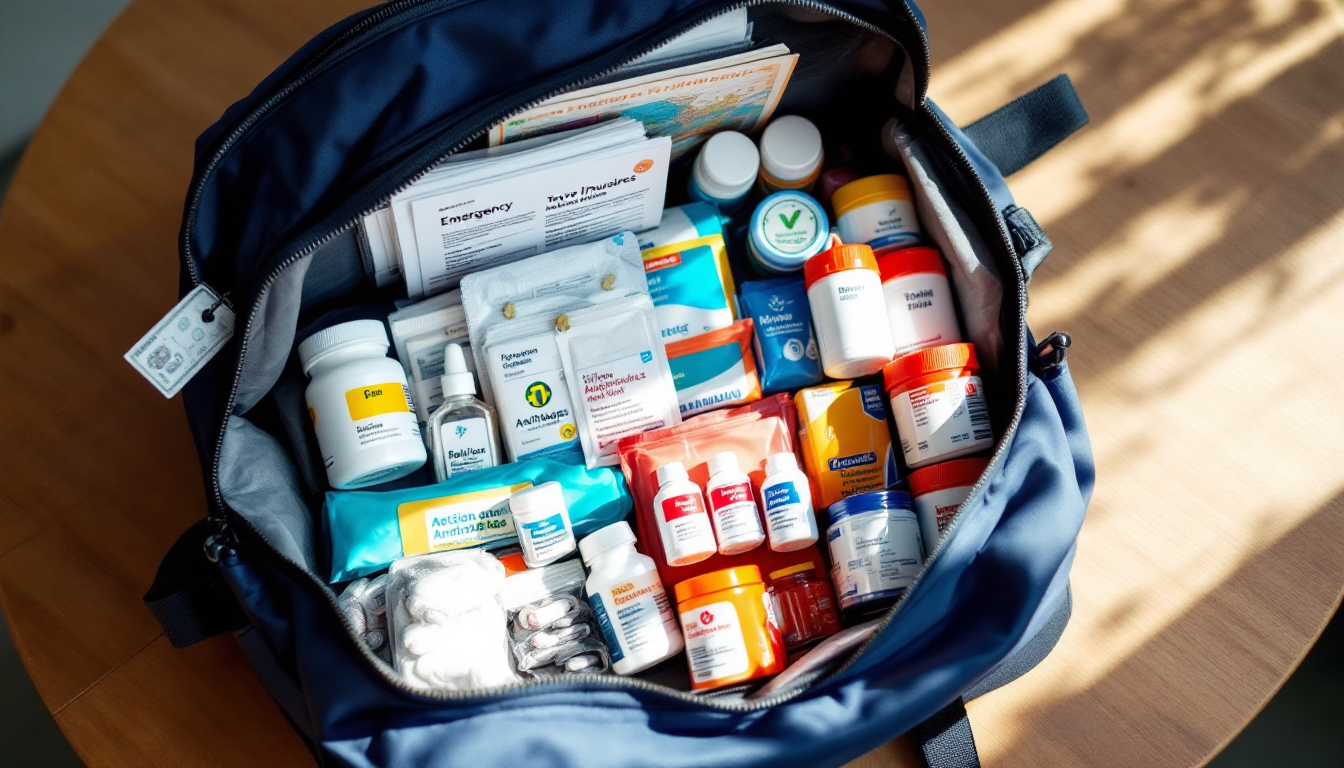
A pre-made first-aid kit is a good start, but a truly effective one is customized for your needs and your destination. Start with a solid foundation and then add specific items.
The Basics for Every Kit:
|
Item |
Purpose |
|
Pain Relievers |
Ibuprofen or acetaminophen for headaches, muscle soreness, and fever. |
|
Bandages |
A variety of sizes for cuts and scrapes. |
|
Antiseptic Wipes |
To clean wounds and prevent infection. |
|
Motion Sickness Medication |
For boat trips, winding roads, or turbulent flights. |
|
Antihistamines |
For allergic reactions to food, plants, or insect bites. |
|
Personal Medications |
Enough for your entire trip, plus a few extra days in case of delays. Keep these in your carry-on bag. |
Destination-Specific Additions:
-
Tropical Climates: Add anti-diarrheal medication, insect repellent with DEET, and hydrocortisone cream.
-
High-Altitude Trips: Consult your doctor about packing altitude sickness medication (e.g., Acetazolamide).
-
Remote/Rural Areas: Consider including a broader range of wound care supplies and water purification tablets.
Documentation and Insurance: Your Safety Net
Proper documentation and insurance are your most important safety tools.
-
Travel Insurance: This is non-negotiable. Ensure your policy covers medical emergencies, emergency evacuation, and trip cancellations. Before you buy, read the fine print; many travelers don’t realize their policy excludes adventure activities like skiing, scuba diving, or even high-altitude hiking. Verify that your specific itinerary is covered.
-
Emergency Documents: Make digital and physical copies of your passport, visa, driver’s license, travel insurance policy, and a list of emergency contacts. Store the digital copies in a secure cloud service and keep the physical copies separate from the originals.
Staying Safe on the Ground
Once you arrive, situational awareness is key.
-
Food and Water Safety: In many parts of the world, it’s safest to drink bottled, boiled, or purified water. Be cautious with street food; a good rule of thumb is to choose busy stalls with high turnover where the food is cooked fresh in front of you.
-
Weather Awareness: Check the local weather forecast daily, especially if you have outdoor activities planned. Use a reliable weather app and be prepared to alter your plans for safety during extreme weather events like heatwaves, blizzards, hurricanes, or severe thunderstorms. Local authorities and your accommodation provider are good sources of information on potential weather hazards.
Conclusion: Pack Smarter, Travel Better
You are now equipped with the knowledge to pack for any adventure the world has to offer. Whether you’re figuring out what to pack for summer adventure travel or gathering the essential gear for winter trips abroad, the core principles of strategic layering, activity-appropriate gear, and proactive safety measures are universal. By applying these packing tips for spring and fall trips and keeping the year-round seasonal travel safety and health tips in mind, you can face any climate with total confidence.
This guide is designed to take the guesswork out of packing, freeing you from the stress of the unknown and the burden of an over-packed suitcase. A well-packed bag is the first step toward a smoother, safer, and more enjoyable journey. You are now ready to build a packing list that works for you, not against you.
Your next great adventure awaits. Use this guide to start planning your packing list today and travel with the peace of mind that you’re ready for anything. Share your own seasonal packing tips in the comments below!
Frequently Asked Questions
Q: What is the most important rule for packing for any season?
A: Layering is the golden rule. It allows you to adapt to changing weather conditions by adding or removing clothing, ensuring comfort in winter, spring, and fall. The three-layer system (base, mid, and outer shell) is particularly crucial for mastering cold weather.
Q: Why should I avoid cotton for summer and winter travel?
A: Cotton absorbs moisture (sweat) and dries very slowly. In summer, this makes you feel damp, heavy, and can lead to chafing. In winter, this trapped moisture can make you feel dangerously cold. Always opt for moisture-wicking fabrics like merino wool or synthetics (polyester, nylon) instead.
Q: Is travel insurance really necessary for every trip?
A: Absolutely. Travel insurance is a non-negotiable safety net. It should cover medical emergencies, emergency evacuation, and trip cancellations. A small incident in a foreign country can become incredibly expensive without it. Always verify that your policy covers any planned adventure activities, as many have exclusions.