This guide is your comprehensive resource for mastering global travel by navigating the world’s diverse weather patterns. We demystify monsoons, hurricanes, and peak adventure seasons across continents—from Asia to the Americas—to ensure you’re always in the right place at the right time, allowing you to plan every trip with confidence.
- Decoding the Monsoon: How to Travel in Asia During the Rainy Season
- Europe for Adventurers: A Seasonal Breakdown
- Navigating the Storm: A Guide to Hurricane Season Travel
- South America’s Rhythm: A Guide to the Continent’s Diverse Seasons
- Your Year-Round Travel Planner: A Cross-Regional Strategy
- Practical Tools & Resources for the Smart Traveler
- Conclusion: Travel Smarter, Not Harder
- Frequently Asked Questions
Decoding the Monsoon: How to Travel in Asia During the Rainy Season
The term “monsoon” can be intimidating, often conjuring images of impassable floods and ruined holidays. While these seasonal rains demand respect and careful planning, they also unlock unique travel opportunities, from dramatically green landscapes to significant cost savings. Understanding the nuances of this season is the key to an amazing Asian adventure. By knowing when and where the rains fall, you can either skillfully avoid them or embrace the advantages of traveling during the off-season, enjoying a more authentic and less crowded experience.
What is a Monsoon and Why It Matters for Travelers?
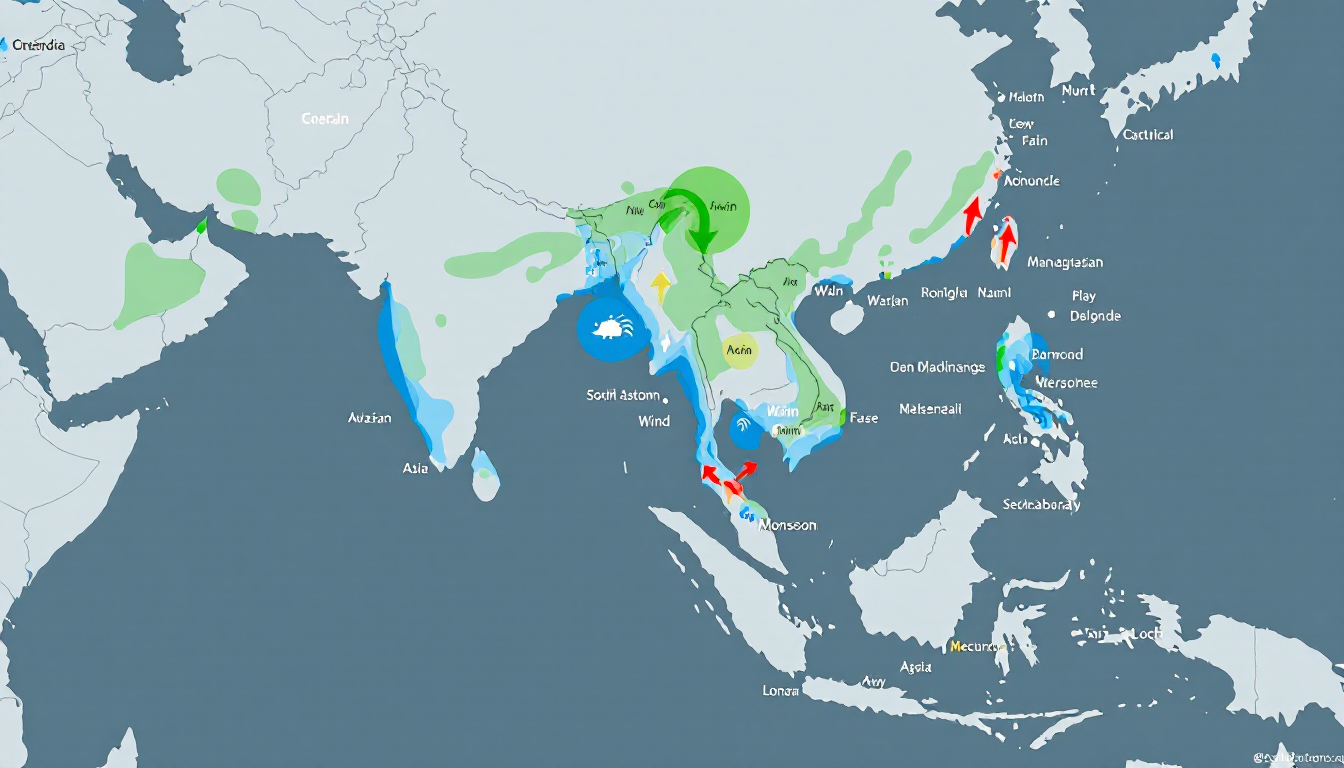
A monsoon isn’t just rain; it’s a seasonal shift in wind patterns that results in a period of intense, heavy rainfall across vast regions. For most of South and Southeast Asia, the main monsoon season runs from June to September. However, some areas, like parts of India, experience a second Northeast monsoon from October to December. This seasonal shift has very real consequences for travelers, impacting everything from your itinerary to your budget.
- Transportation: Travelers should be prepared for potential disruptions. Flooding and landslides can lead to road closures and railway delays, particularly in areas like central Vietnam. It’s wise to build extra buffer days into your travel schedule.
- Activities: Many popular outdoor activities may be suspended. For instance, diving on Thailand’s Andaman coast and hiking in parts of Laos become risky and are often unavailable during peak rainfall for safety reasons.
- Costs & Crowds: On the upside, this is the low season. Travelers can benefit from significantly reduced hotel and airfare rates and enjoy iconic sites with a fraction of the usual crowds, offering a more intimate experience.
Country-by-Country Monsoon Guide
The monsoon’s timing and intensity vary dramatically by country and even by region. This variability is something a savvy traveler can use to their advantage. Use this table to pinpoint the best ‘monsoon-dodging’ strategies for your trip.
| Country | Key Monsoon Details | Seasonal Travel Impact |
|---|---|---|
| India | Southwest: June–Sept; Northeast: Oct–Dec | Itinerary flexibility is key, as one region can be completely dry while another is in a downpour. |
| Thailand | Andaman coast (Phuket): May–Oct; Gulf coast (Koh Samui): Oct–Dec | Famous for short, intense showers rather than all-day rain. Allows for “coast-hopping” to find sunshine. |
| Vietnam | North: May–Sept; Central: Sept–Dec (typhoon risk); South: May–Oct | Expect lush, green landscapes but be wary of inland flooding that can disrupt transport, especially train lines. |
| Indonesia | Varies by island; typically Nov–Mar for Java/Bali | Rain often falls in the late afternoon, leaving mornings free for exploration and activities. |
| Philippines | Typhoon season: June–Nov; Dry season: Dec–Apr | High risk of powerful storms, especially in coastal and northern regions. Plan travel in the dry season for safety. |
Strategies for Embracing (or Avoiding) the Monsoon
Traveling during the monsoon offers unique advantages: experience lush, vibrant landscapes at their greenest, enjoy lower prices, and immerse yourself in more authentic local culture without the crowds. However, the primary challenges are unpredictability, the risk of transportation disruption, and the curtailment of some tours and activities like island ferries. A smart approach is to adopt a ‘switch coasts’ strategy. For example, if Thailand’s Phuket region is rainy from May to October, head to Koh Samui on the Gulf coast, which has its best weather from January to September. Always book accommodations with flexible cancellation policies to protect yourself from unforeseen changes.
Europe for Adventurers: A Seasonal Breakdown
Europe offers a different kind of seasonal challenge, one dictated by temperature, daylight hours, and the specific adventures you seek. Choosing the right time to visit can be the difference between a brisk, beautiful hike and a trail that’s closed for the season. The best months to travel Europe for adventures depend entirely on what you want to do, whether it’s skiing the Alps, cycling through wine country, or hiking along coastal cliffs. Planning your trip around these seasonal opportunities ensures you get the best possible experience.
Spring (March-May): The Season of Awakening
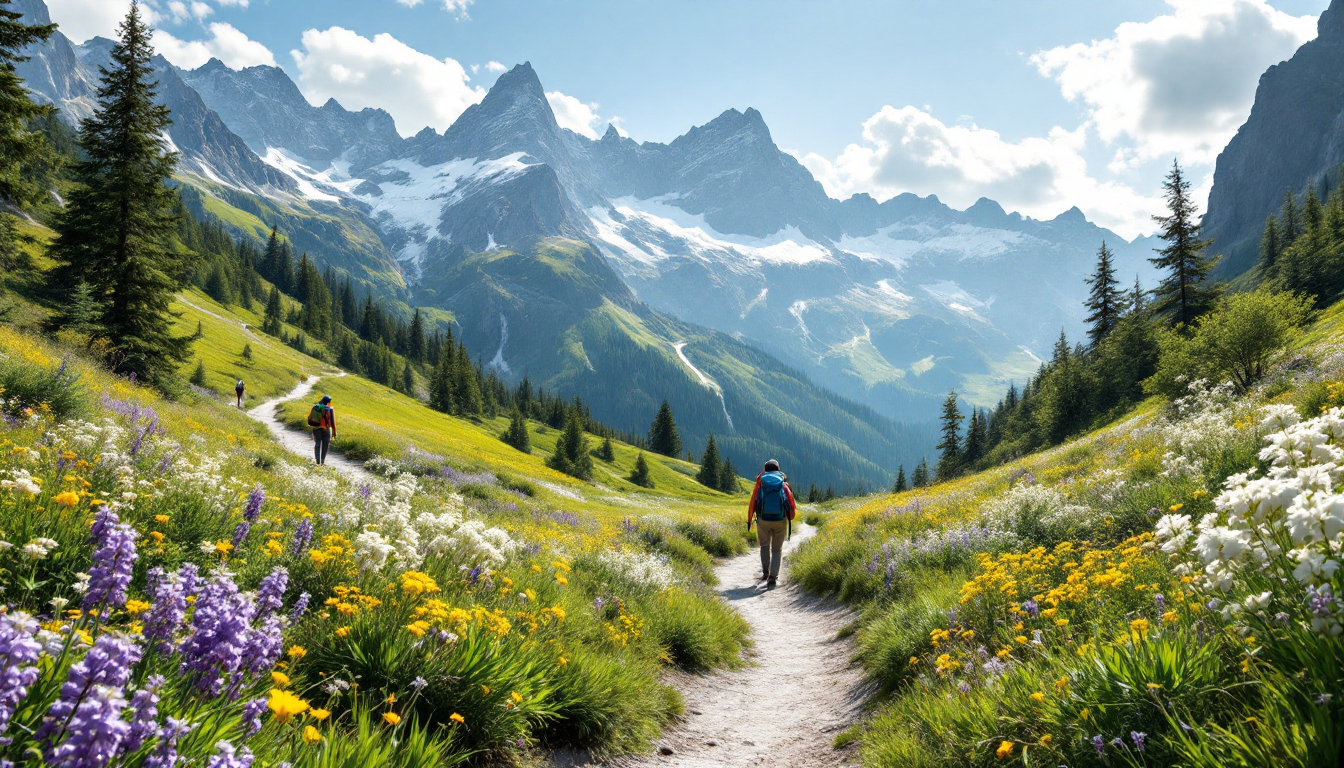
April and May are the sweet spot, marking the best months to travel Europe for adventures as the continent comes alive. You can expect mild temperatures, blooming landscapes, and moderate crowds before the summer rush truly begins. This is the perfect time for Alpine hiking as lower trails become accessible, cycling tours through regions like Tuscany in Italy, and enjoying vibrant cultural festivals that celebrate the end of winter. The days are getting longer, giving you more time to explore outdoors in comfortable, pleasant weather.
Summer (June-August): The Peak of Possibilities
Summer in Europe means long daylight hours and the warmest weather, but it also brings the largest crowds and highest prices. This is the prime time for classic beach holidays on the Mediterranean, attending world-famous music festivals, and exploring Northern Europe. Regions like Scandinavia and Scotland, which are often too cold the rest of the year, are in their prime for hiking, kayaking, and epic road trips under the midnight sun. It’s the season of endless opportunity, provided you book well in advance and are prepared for the bustling energy.

Autumn (September-November): The Golden Season
For many travelers, autumn is the ideal season. September and October offer a fantastic balance of pleasant weather and thinning crowds as the summer rush subsides. You can enjoy comfortable temperatures perfect for city exploration and outdoor activities without the oppressive heat of July and August. This season is ideal for experiencing the stunning fall foliage in places like Germany’s Black Forest, participating in wine harvests in France and Italy, and enjoying hiking and cycling with a beautiful, golden backdrop.
Winter (December-February): Niche Adventures and Festive Charm
Colder temperatures and shorter days limit some activities but open the door for a whole new set of adventures. It’s also the most budget-friendly time to travel to many major cities. Winter is the time to focus on world-class skiing and snowboarding in the Alps of France, Switzerland, and Austria. Beyond the slopes, you can explore the magical Christmas markets in Germany and Austria or enjoy cozy, crowd-free museum visits in cities like Paris and Rome, seeing a different, more intimate side of these iconic destinations.

Navigating the Storm: A Guide to Hurricane Season Travel
The idea of a hurricane can be frightening, but it doesn’t have to mean writing off an entire region for half the year. With a smart and proactive approach, dealing with hurricane season when planning trips is entirely manageable. Understanding the risks, taking practical precautions, and knowing your options can turn fear into preparedness, allowing you to travel safely and often for a fraction of the peak season cost. It’s all about mitigating risk while maximizing value.
Understanding Hurricane Season: When and Where?
First, it’s important to know the facts. The official Atlantic hurricane season runs from June 1st to November 30th. However, the risk is not uniform throughout this period. Peak storm activity historically occurs between August and October, which requires the most caution from travelers. The regions primarily affected include the Caribbean, the Gulf Coast of the U.S., Eastern Mexico, and parts of Central America. Knowing these key details is the first step in making an informed travel decision.
Strategic Planning: How to Mitigate the Risks
Successfully dealing with hurricane season when planning trips comes down to a few key strategies that put you in control.
- Travel Insurance is Non-Negotiable: This is the most critical step. Purchase a comprehensive travel insurance policy and, most importantly, verify that it includes specific coverage for cancellations or interruptions due to named storms. For the ultimate peace of mind, look for ‘Cancel For Any Reason’ (CFAR) policies, which offer the most flexibility.
- Book Flexibly: Prioritize airlines and hotels that offer refundable rates or flexible change policies, even if they cost slightly more. This simple choice is your best defense against losing money if a storm forces you to alter your plans at the last minute.
- Monitor Relentlessly: In the weeks and days leading up to your trip, make it a habit to use reliable resources like the U.S. National Hurricane Center (NHC) for real-time storm tracking and official advisories. Being informed allows you to make timely decisions.
Safe Alternatives During Peak Season
If you prefer to avoid the risk altogether but still want a sunny getaway, you have plenty of great options. Consider destinations that lie outside the primary storm belt. The Pacific coasts of Central and South America offer beautiful beaches without the Atlantic hurricane risk. Furthermore, the Southern Caribbean islands like Aruba, Bonaire, and Curaçao (often called the ABC islands) are located south of the main hurricane path and are considered very safe bets during this time. A European coastal trip is another excellent alternative for a storm-free vacation.

South America’s Rhythm: A Guide to the Continent’s Diverse Seasons
South America is a continent of incredible diversity, from tropical rainforests to glacial peaks, and its weather patterns are just as varied. Determining the optimal travel times for South America by season requires a more nuanced approach than simply looking at a calendar. Because it spans both sides of the equator, the continent experiences multiple climates simultaneously, making a one-size-fits-all recommendation impossible. The key is to align your travel dates with the specific region and activities you have in mind.
The Golden Rule: Understanding Reverse Seasons
The most critical factor for planning your trip and finding the optimal travel times for South America by season is remembering that its seasons are the reverse of the Northern Hemisphere. When it’s winter in North America and Europe (December-February), it’s the height of summer in the southern parts of South America, like Argentina and Chile. This simple fact is the foundation of all good South American travel planning and opens up a world of “endless summer” possibilities for those looking to escape the cold.
Country-Specific Seasonal Guide
To truly master South American travel, you need to think regionally. What works for one country might be the worst time for another.
- Argentina & Chile (especially Patagonia): These southern gems are best visited during their spring (September-November) and fall (March-May) for moderate weather that is perfect for hiking and exploring. Their summer (December-February) is also popular for its long days but can be very windy and crowded in top destinations like Torres del Paine.
- Peru (Andes & Machu Picchu): The dry season, which runs from May to September, is absolutely essential for trekking. Visiting during these months ensures clear skies, stunning views, and safer trail conditions for the Inca Trail and other highland adventures.
- Brazil: Brazil is a vast country, but for most coastal regions like Rio de Janeiro, the shoulder months of April-June and August-October offer a sweet spot. This timing helps you avoid both the intense heat and humidity of peak summer and the winter rainy season.
- Colombia & Ecuador: Being located near the equator, these countries have less temperature variation throughout the year. Instead, travel timing is dictated by dry versus wet seasons. Aim for Colombia’s two dry seasons (December-March & July-August) and be aware of the many regional microclimates in Ecuador.
Plan by Activity, Not Just by Country
For the best experience, plan your trip around your must-do activities.
- Patagonia Hiking: Book your trip between October and April for the best and safest trail conditions.
- Amazon Rainforest Exploration: Travel during the dry season (typically June to November, depending on the region). During this time, water levels are lower, which reveals more hiking trails and concentrates wildlife around the remaining water sources, increasing your chances of amazing sightings.
- Andes Trekking: For safety and the best views, stick to the dry season from May to September.
Your Year-Round Travel Planner: A Cross-Regional Strategy
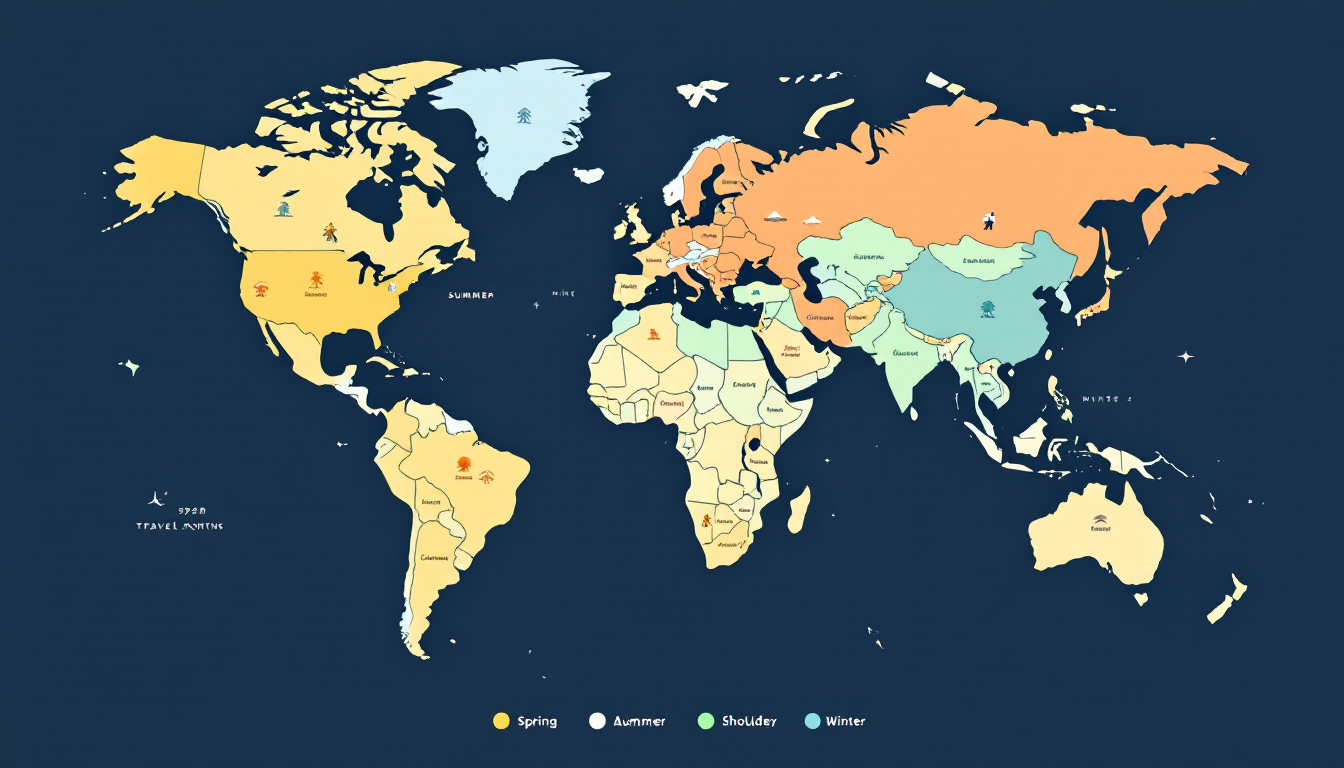
By understanding the distinct seasonal patterns of each continent, you can build a strategic, year-round travel calendar. This allows you to always be in the right place at the right time, optimizing both your experiences and your budget. It transforms you from a reactive tourist into a proactive world traveler. However, it’s crucial to acknowledge the growing impact of our changing world. As global weather patterns shift, with ongoing discussions at events like the UN Climate Summit highlighting these changes, seasonal timings can become more erratic. Always check near-term forecasts, but use this calendar as a strategic starting point for your planning.
The Global Shoulder Season Advantage
One of the best-kept secrets of savvy travelers is the “shoulder season.” These are the months just before and after a region’s peak travel season (for example, April-May and September-October in Europe). Traveling during the shoulder season almost always provides the best balance of good weather, lower prices, and fewer crowds. You get to enjoy all the benefits of the destination without the drawbacks of peak-season travel, making it the most efficient and enjoyable way to explore the world.
A Sample Year-Round Travel Calendar
- January – March: Focus on South America for peak summer experiences in places like Patagonia or Brazil. This is also the perfect time to visit Southeast Asia during its cool, dry season, with ideal conditions in countries like Thailand and Vietnam.
- April – June: This is prime time for Europe, as spring brings ideal weather for adventures before the summer crowds arrive. It’s also a great window for visiting Asia before the main monsoon season begins in earnest.
- July – September: Enjoy peak summer in Europe with its vibrant festivals and long, sunny days. Be mindful that this is peak monsoon season in much of Asia and the height of hurricane season in the Americas, requiring careful planning for those regions.
- October – December: Catch the beautiful post-monsoon season in Asia, when landscapes are lush and green, and the weather is clear. It’s also a perfect time for South America as it enters its pleasant spring season, full of blooming flowers and wildlife activity.
Practical Tools & Resources for the Smart Traveler
Strategic planning is made easier with the right tools. Having a reliable set of resources at your fingertips allows you to monitor conditions, book with confidence, and pack effectively for any weather scenario. This toolkit empowers you to make informed decisions before and during your trip, ensuring you’re prepared for whatever the weather may bring. A well-prepared traveler is a relaxed and confident traveler.
Weather Monitoring & Planning
For long-term planning, use climate data websites to check historical weather averages for your chosen destination. This gives you a solid baseline of what to expect. For short-term, real-time tracking in the days leading up to your trip, rely on official sources like the U.S. National Oceanic and Atmospheric Administration (NOAA) for hurricane tracking and reputable mobile weather apps like AccuWeather for daily forecasts.
Booking and Insurance
When booking flights and hotels during a region’s volatile weather season, such as the monsoon or hurricane season, make smart use of booking website filters. Specifically search for ‘free cancellation’ or ‘refundable’ options. This gives you a safety net. Furthermore, use travel insurance comparison sites to read policy details carefully. Don’t just buy the cheapest option; ensure it explicitly covers delays and cancellations due to weather-related events.
Packing Strategically
Your packing list should adapt to the season you’re traveling in.
- Monsoon Season: Pack lightweight, quick-drying clothes, a reliable waterproof jacket, and waterproof bags or cases for your electronics.
- Shoulder Seasons: The key is to focus on layers. A t-shirt, a fleece, and a light jacket will prepare you for cool mornings, warm afternoons, and chilly evenings.
- Emergency Prep: No matter where or when you travel, always pack a small first-aid kit, any necessary personal medications, and have both digital and physical copies of your travel documents and emergency contacts.
Conclusion: Travel Smarter, Not Harder
Ultimately, successful global travel isn’t about avoiding “bad” weather—it’s about understanding seasonal patterns to align your destination with the right time of year. From knowing how monsoon season affects travel in Asia to leveraging the incredible value of the shoulder seasons in Europe, strategic planning is your most powerful tool. It allows you to anticipate challenges, discover hidden opportunities, and take control of your travel destiny.
By understanding the rhythms of monsoon, hurricane, and adventure seasons, you transform potential travel disasters into perfectly timed, unforgettable experiences. This knowledge empowers you to see the world’s most beautiful places at their absolute best, ensuring that every trip you take is a success.
Bookmark this guide for your future travel planning, and share your own seasonal travel success stories in the comments below.
Frequently Asked Questions
Q: What is the single most important tip for traveling during hurricane season?
A: The most critical step is to purchase comprehensive travel insurance that specifically covers cancellations and interruptions due to named storms. Also, prioritize booking flights and accommodations with flexible or refundable policies to minimize financial risk.
Q: What is a “shoulder season” and why is it good for travel?
A: Shoulder seasons are the periods just before and after a destination’s peak season (e.g., April-May and September-October in Europe). They offer the best balance of pleasant weather, fewer crowds, and lower prices, providing a more relaxed and cost-effective travel experience.
Q: If I want to visit South America in December, what kind of weather should I expect?
A: Because seasons are reversed in the Southern Hemisphere, December is the beginning of summer for southern parts of the continent like Argentina and Chile. You can expect warm to hot weather, making it an ideal time for activities like hiking in Patagonia, though it can also be a busy and windy period.