The best beginner hiking trails in Hawaii offer an accessible gateway to the islands’ breathtaking volcanic landscapes and lush rainforests, proving that you don’t need to be an expert to experience true adventure. Planning a first-time adventure trip to a place as diverse as Hawaii can feel overwhelming, but the islands are filled with incredible options for everyone, regardless of skill level. This guide provides everything a beginner needs to know to safely and confidently explore Hawaii’s top hiking trails, snorkel in its vibrant reefs, and witness the power of its volcanoes. We’ll walk you through the essentials, from choosing the right island to finding the perfect trail, so you can spend less time worrying and more time soaking in the aloha spirit.
Table of Contents
-
Section 1: Beginner Hiking Trails Hawaii: Walk Through Paradise
-
Section 2: Snorkeling Spots for First Timers in Hawaii: Your Window to the Underwater World
-
Section 3: Volcano Tours for First-Time Visitors: Witness Earth’s Creation
Hawaii Adventure 101: What Every Beginner Needs to Know
Before you pack your bags for your first Hawaii adventure, a little preparation goes a long way. Understanding the basics of where to go, when to visit, and how to stay safe will set you up for a successful and unforgettable trip. These foundational tips are essential for any first-time visitors looking to explore the islands’ natural beauty responsibly.
Best Islands for Beginners
While every Hawaiian island has its own unique charm, some are more accommodating for first-time adventurers. Oahu and Maui are often recommended for their well-developed infrastructure, wide variety of activities, and accessible natural attractions.
-
Oahu: The “Gathering Place” offers a perfect blend of city life and nature. You can stay in Waikiki and be just a short drive from world-class hikes like Diamond Head. Its accessibility makes it a top choice for those who want convenience without sacrificing adventure.
-
Maui: Known as the “Valley Isle,” Maui is famous for the scenic Road to Hana and the majestic Haleakalā volcano. It boasts numerous tour operators who can guide you through everything from snorkeling trips to jungle treks, making it easy for beginners to explore.
-
Big Island (Hawaiʻi): For anyone whose primary goal is to see a volcano, the Big Island is non-negotiable. It is home to Hawaiʻi Volcanoes National Park and offers a raw, powerful landscape that is a must-see for volcano tours for first-time visitors.
When to Visit
Hawaii has two main seasons, each offering a different experience.
| Season | Months | Weather & Conditions |
|---|---|---|
| Summer (Kau) | April–November | Generally warmer and drier. This is also the peak tourist season, so expect larger crowds and higher prices. |
| Winter (Ho’oilo) | December–March | Cooler with more rainfall, especially on the windward (eastern) sides of the islands. This is the best time for whale watching and watching professional big-wave surfing on the north shores. |
Core Safety Principles
No matter the activity, three rules are non-negotiable for staying safe while exploring Hawaii.
-
Sun Protection: The sun in Hawaii is incredibly strong due to its proximity to the equator. Always wear reef-safe sunscreen (to protect the delicate coral ecosystems), a wide-brimmed hat, and UV-protective clothing. Sunburn can ruin a trip faster than anything else.
-
Hydration: The tropical heat and physical activity will dehydrate you quickly. Carry more water than you think you need, especially on hikes. A good rule of thumb is at least one liter per person for every two hours of hiking.
-
Respect the ‘Aina (Land): In Hawaiian culture, ‘aina means the land, and it is deeply respected. Always practice the “Leave No Trace” principles. This means staying on marked trails to prevent erosion, packing out everything you pack in, and never taking rocks, sand, or coral as souvenirs.
Section 1: Beginner Hiking Trails Hawaii: Walk Through Paradise
Hawaii is home to some of the world’s most scenic and rewarding trails, and many of the best are perfect for novices. You don’t need to be a seasoned mountaineer to experience the islands’ dramatic cliffs and verdant valleys. Here are the top beginner hiking trails in Hawaii you can conquer on your first visit. These trails are well-maintained, relatively short, and offer spectacular payoffs for your effort, making them ideal introductions to hiking in paradise.
Trail 1: Diamond Head (Le’ahi) Summit Trail, Oahu
This iconic hike takes you into a 300,000-year-old volcanic crater. The trail is a 1.6-mile round-trip journey that is mostly paved but includes switchbacks and two sets of steep stairs (one with 99 steps, the other with 76).
-
Why it’s for beginners: The path is well-maintained and the short distance makes it manageable for most fitness levels. The reward is one of the most famous views in Hawaii: a stunning 360-degree panorama of Waikiki, the turquoise coastline, and the island’s interior.
-
Actionable Tip: Reservations are now required for all out-of-state visitors. Book your time slot online well in advance, especially if you want to experience a magical sunrise from the summit. You can book at the official Hawaii Division of State Parks page.
Trail 2: Makapu’u Point Lighthouse Trail, Oahu
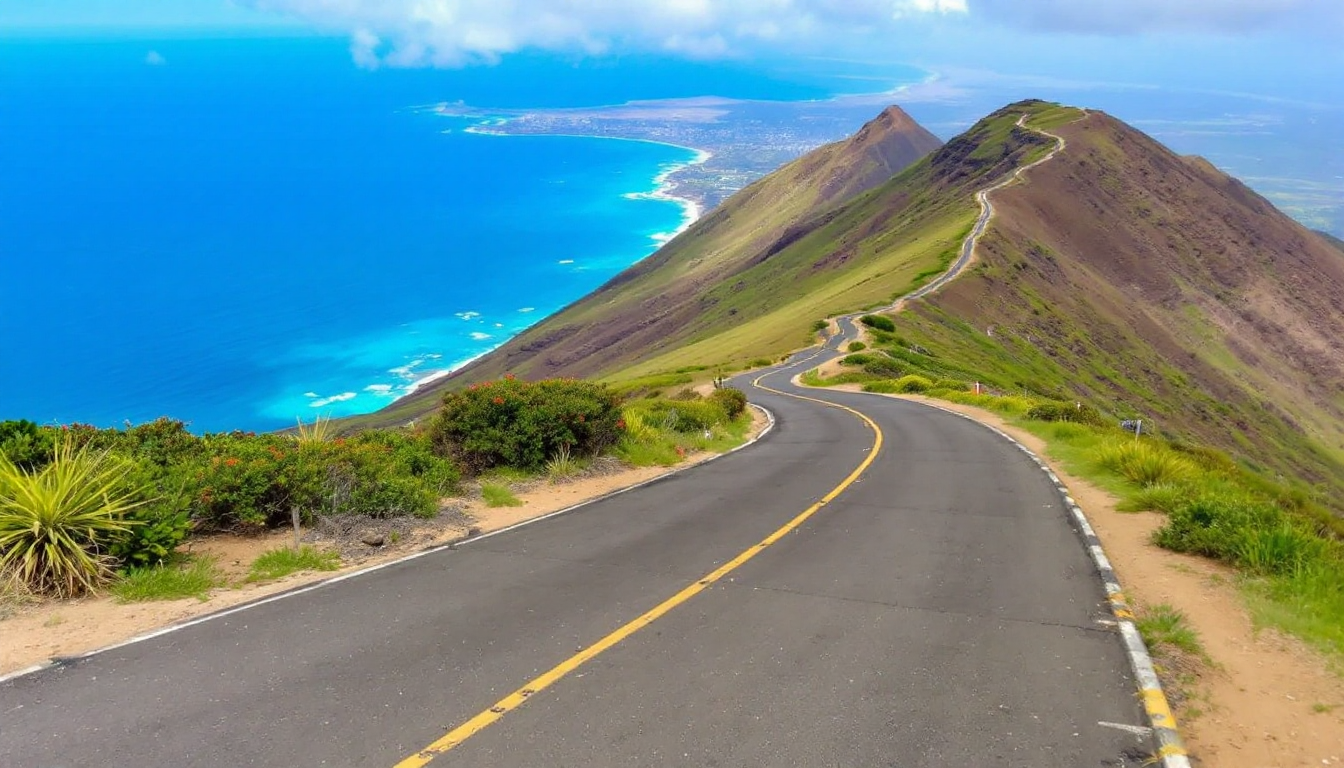
Located on Oahu’s rugged easternmost point, this 2-mile round-trip trail is fully paved, making it more of an uphill walk than a technical hike. It’s accessible for strollers and people of all fitness levels.
-
Why it’s for beginners: The wide, paved path removes the challenge of navigating uneven terrain, allowing you to focus on the breathtaking coastal views. It’s a prime spot for whale watching during the winter months (December to March).
-
Actionable Tip: This trail is completely exposed to the sun with no shade. To avoid the intense midday heat, start your hike early in the morning or go late in the afternoon for a cooler experience. Always bring water and sun protection. For more info, check the official Kaiwi State Scenic Shoreline page.
Trail 3: Pololū Valley Lookout and Trail to Black Sand Beach, Big Island
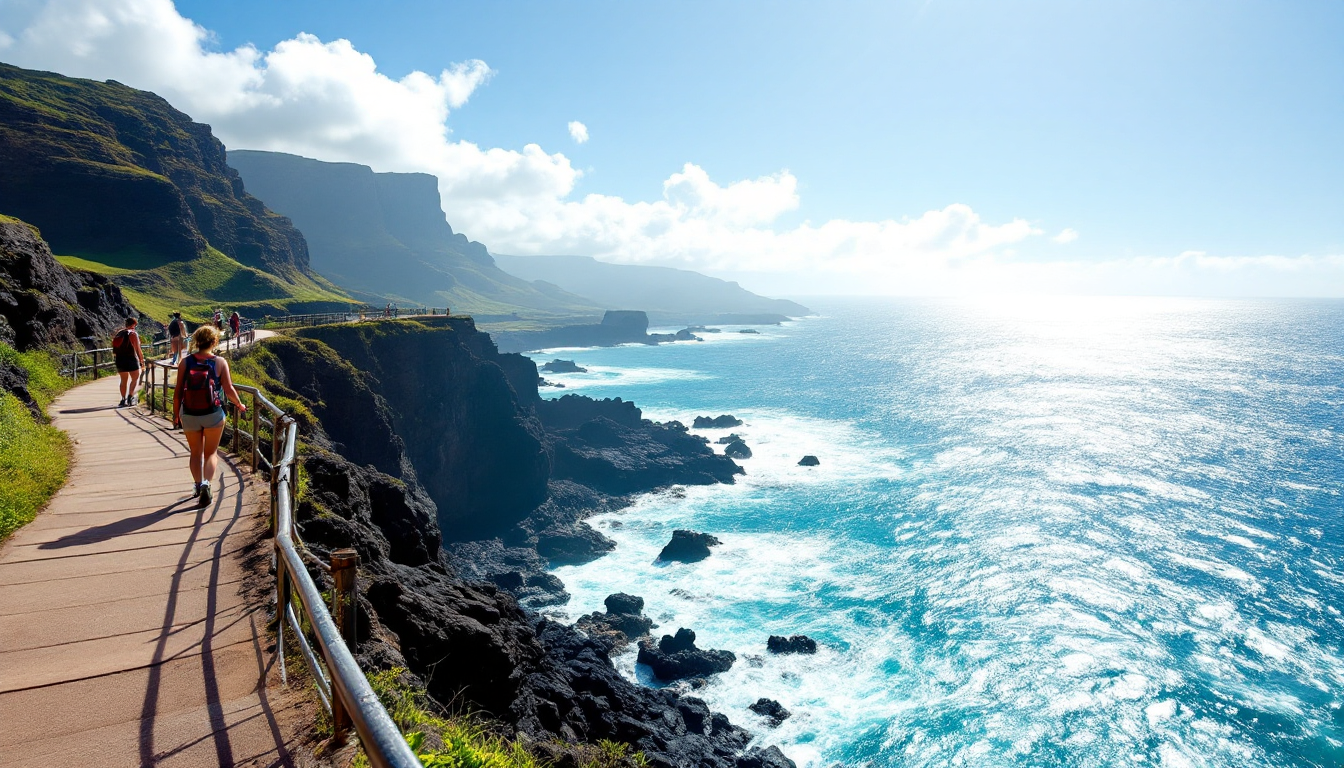
This trail offers a taste of the wild, dramatic beauty of the Big Island. It’s a short but steep 0.6-mile trail that descends from a stunning cliffside lookout down to a beautiful black sand beach lined with ironwood trees.
-
Why it’s for beginners: Its short length makes it an achievable challenge. The payoff is immense, with dramatic views of the coastline and the unique experience of a secluded black sand beach. The hike back up is strenuous but brief.
-
Actionable Tip: The trail can become very slippery and muddy after rain. Wear sturdy hiking shoes with good grip, not flip-flops. Swimming at the beach is not recommended due to powerful currents and a dangerous shorebreak.
-
Important Note: Always check local conditions before you go. The once-popular Waipi’o Valley hike remains closed to most visitors due to safety concerns, making Pololū Valley an excellent and accessible alternative for experiencing the island’s majestic valleys.
Section 2: Snorkeling Spots for First Timers in Hawaii: Your Window to the Underwater World
Discovering the vibrant coral reefs and colorful marine life is a must-do on any Hawaiian vacation. For beginners, the key is finding a location with calm, protected waters where you can get comfortable with your gear. The right snorkeling spots for first timers in Hawaii offer exactly that, serving as natural aquariums that are both safe and breathtakingly beautiful. These locations are ideal for building confidence while being surrounded by an incredible diversity of fish.
Spot 1: Hanauma Bay Nature Preserve, Oahu
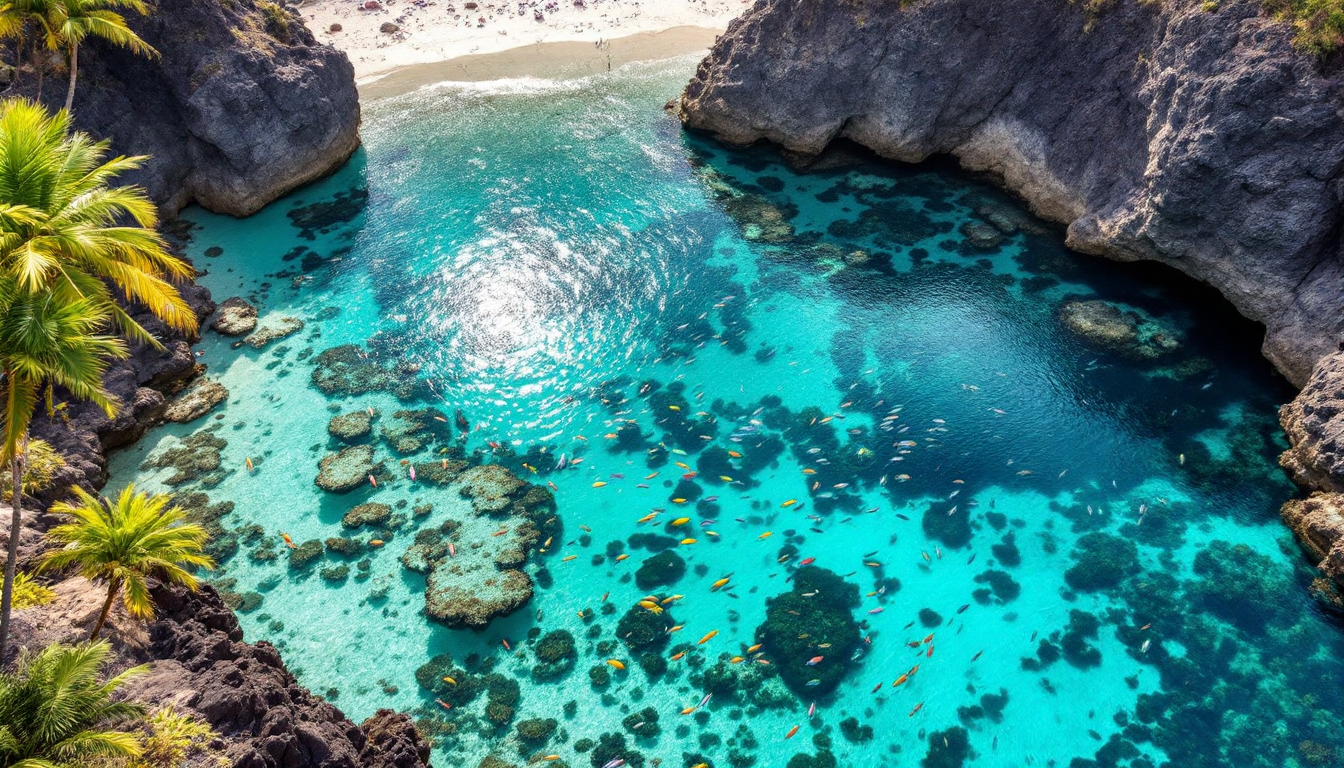
Located within a sunken volcanic cone, Hanauma Bay is a protected marine life conservation area. Its unique geography creates an incredibly calm and protected environment, making it feel like you are snorkeling in a giant, natural swimming pool.
-
Why it’s for beginners: The water is shallow and exceptionally calm, with lifeguards on duty. You are almost guaranteed to see a wide variety of colorful tropical fish, many of which are accustomed to swimmers and will let you get a close look.
-
Actionable Tip: An online reservation system is in place, and spots fill up days in advance, so book early. Before entering the bay, all visitors must watch a mandatory 9-minute educational video to learn about reef conservation and safety. For reservations, visit the official Hanauma Bay website.
Spot 2: Po’ipū Beach Park, Kauai
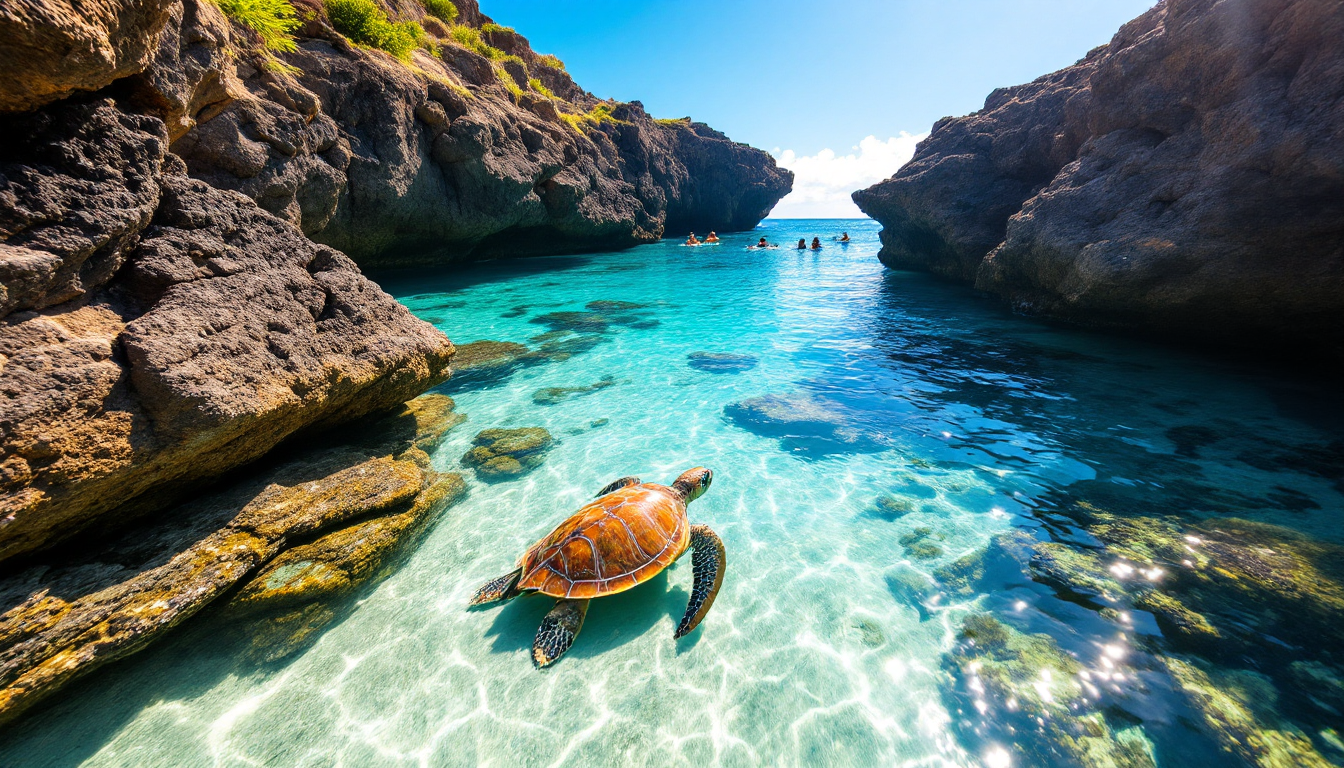
On Kauai’s sunny south shore, Po’ipū Beach has a section that is naturally protected by a large rock wall. This creates a calm, shallow pool that is perfect for families and first-time snorkelers.
-
Why it’s for beginners: The rock jetty breaks the waves, ensuring the water in the protected area is calm even when the outer ocean is rough. You can often spot Hawaiian Green Sea Turtles (Honu) resting on the sand, offering an incredible wildlife viewing opportunity.
-
Actionable Tip: It is illegal under federal and state law to touch, chase, or harass sea turtles. Maintain a respectful distance of at least 10 feet (3 meters) to ensure their safety and well-being.
Beginner Snorkeling Technique & Gear
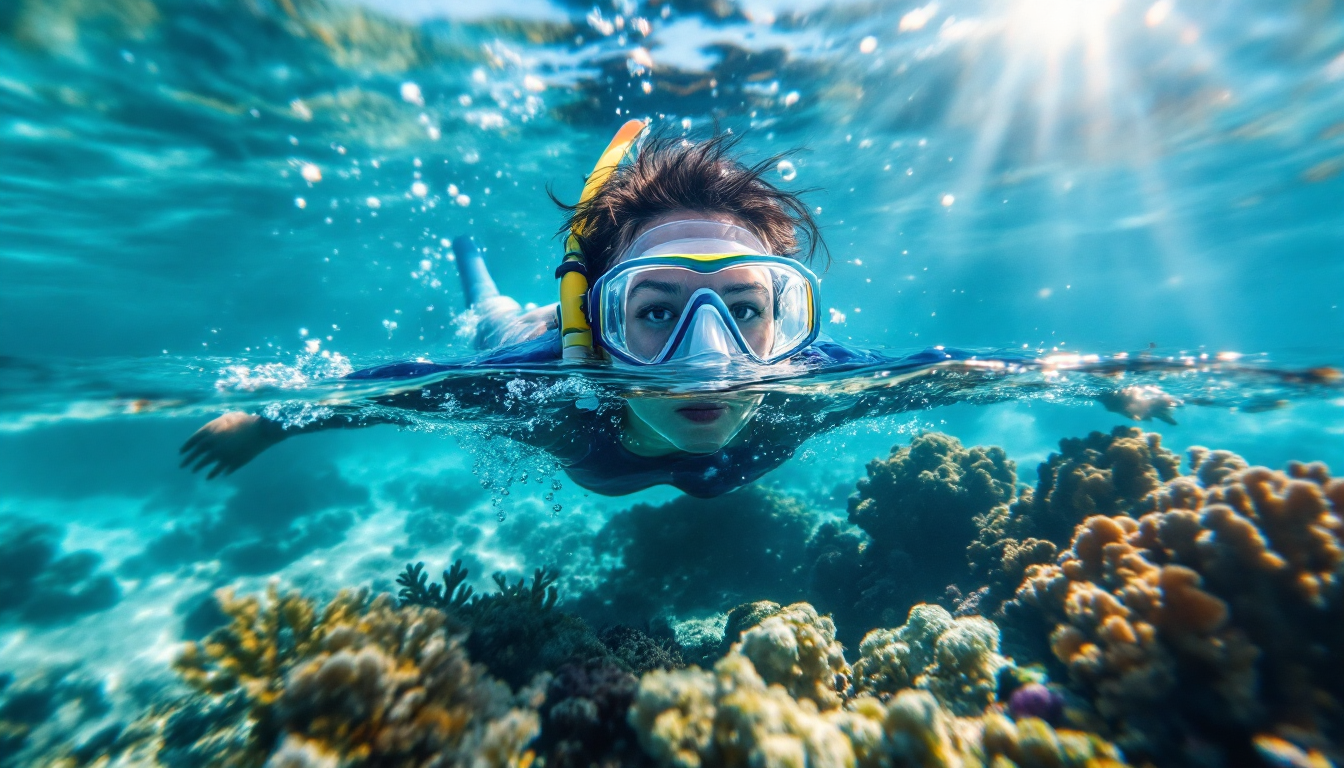
Getting the hang of snorkeling is easy with a little practice.
| Technique & Gear | Description |
|---|---|
| Breathing | Breathe slowly and deeply through your snorkel. If water gets in the tube, don’t panic. Simply blow out a sharp burst of air, like a whale clearing its blowhole, to force the water out. |
| Floating | Conserve energy by floating calmly on the surface. Minimal kicking is needed. Let the currents do some of the work and just relax as you observe the underwater world. |
| Gear Rental | For your first time, rent gear from a reputable local shop. They will help you find a mask that fits your face properly to prevent leaks. Ask for a “dry snorkel,” which has a special valve on top that seals shut if a wave washes over you, keeping water out. |
Section 3: Volcano Tours for First-Time Visitors: Witness Earth’s Creation
For many travelers, volcano tours for first-time visitors are the highlight of a trip to the Big Island. Visiting Hawaiʻi Volcanoes National Park is an awe-inspiring experience, offering a front-row seat to the raw power of Earth’s creation. The key to a successful visit is knowing where to go, understanding that conditions can change rapidly, and always prioritizing safety.
Focus: Hawaiʻi Volcanoes National Park (Big Island)
This is the epicenter of volcanic activity in Hawaii and the primary destination for any volcano tour. It is home to Kīlauea, one of the world’s most active volcanoes.
-
First Stop: Kīlauea Visitor Center: Your visit should always begin here. Talk to the park rangers on duty. They have the most up-to-date information on current volcanic activity, air quality (including VOG, or volcanic smog), and any road or trail closures. This is the best way to plan your day safely.
Must-See Sights for Beginners
The park is massive, but several key sights are easily accessible and perfect for first-timers.
-
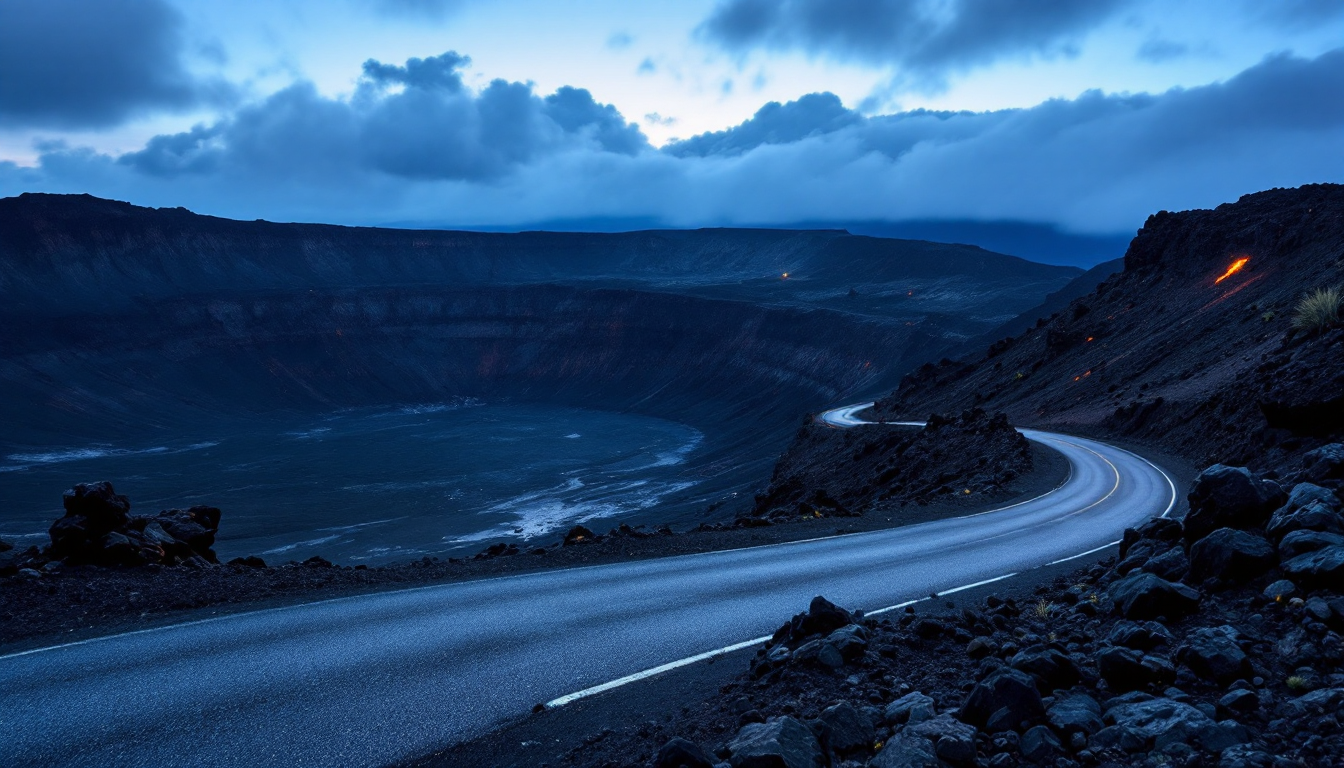
Crater Rim Drive: This road circles the Kīlauea caldera and provides numerous scenic overlooks into the massive Halemaʻumaʻu crater. If there is an active eruption within the crater, the view at night can reveal a spectacular, otherworldly lava glow.
-
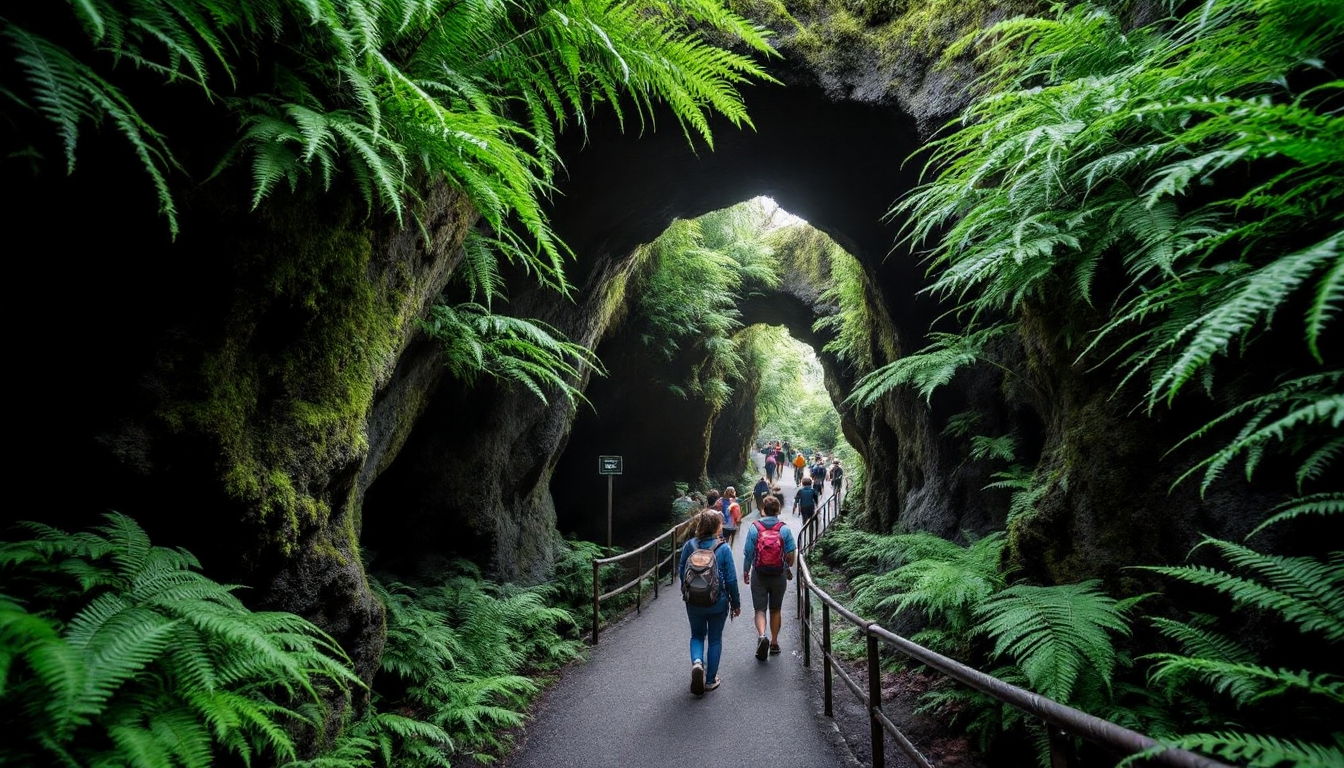
Thurston Lava Tube (Nāhuku): This is an incredible opportunity to walk through a 500-year-old cave that was once a river of molten lava. It’s an easy, 20-minute loop trail that takes you through a lush fern forest before you enter the lit, cavernous lava tube.
Lava Viewing – The #1 Question
The most common question from visitors is, “Where can I see flowing lava?”
-
Manage Expectations: Visible surface lava flow is rare and depends entirely on the current eruption. It is not always active or accessible to the public. Do not expect to see red rivers of lava like in the movies. The most common sight is the glow from the lava lake within Halemaʻumaʻu crater.
-
The Golden Rule: The ONLY way to know the current lava viewing conditions is to check the official park website on the day of your visit. Conditions can change hourly. Bookmark this page: The official Hawaiʻi Volcanoes National Park lava viewing page.
Guided vs. Self-Guided Tours
| Tour Type | Pros & Cons |
|---|---|
| Self-Guided | Pros: Flexible, allows you to go at your own pace. Perfectly doable for beginners who stick to the main paved roads and marked trails like those mentioned above. Cons: You miss out on the expert geological and cultural context. |
| Guided Tours | Pros: Provides deep geological and cultural insights, handles all logistics, and offers expert safety oversight, especially for exploring more remote areas. Cons: Less flexible and more expensive. |
Your 3-Day Beginner Adventure Itinerary (Example for Oahu)
Here is a simple itinerary to show how you can easily combine these adventures during your trip. This plan for Oahu mixes iconic hikes and world-class snorkeling.
Day 1: Sunrise Hike & Local Food
-
Morning: Start your day with a sunrise hike up the Diamond Head Summit Trail. Remember to book your reservation in advance. The early start rewards you with cooler temperatures and breathtaking views as the sun lights up Waikiki.
-
Afternoon: After the hike, relax and swim at Waikiki Beach. For lunch, refuel with a classic Hawaiian plate lunch from a local spot like Rainbow Drive-In.
Day 2: Underwater Exploration
-
Morning: Head to one of the best snorkeling spots for first timers in Hawaii, Hanauma Bay (with a reservation). Spend the morning floating in the calm, clear water and marveling at the hundreds of tropical fish.
-
Afternoon: Drive along the scenic east coast. Stop at the Halona Blowhole Lookout and other scenic points near the Makapu’u Point Lighthouse Trail for stunning coastal photos.
Day 3: Cultural Immersion & Island Views
-
Morning: Pay a visit to Pearl Harbor to learn about a pivotal moment in world history. It’s a sobering and powerful experience that provides important historical context.
-
Afternoon: For a relaxing end to the day, complete the easy, paved Makapu’u Point Lighthouse Trail. This gentle walk offers some of the best coastal views on the island and is a perfect spot for sunset.
Conclusion: Your Hawaiian Adventure Awaits
Hawaii’s incredible natural wonders are not just for expert adventurers; they are accessible to everyone. This Hawaii adventure guide shows that with a little planning and a focus on safety, any first-time visitor can hike to the top of volcanic craters, snorkel with colorful fish, and witness the awe-inspiring landscapes that make these islands so special. From the panoramic views on beginner hiking trails in Hawaii to the vibrant underwater world, the Aloha State is ready to be explored.
Feeling inspired? It’s time to stop dreaming and start planning. Which adventure will you choose first? Share your plans in the comments below
Frequently Asked Questions
Q: Do I need to be an expert hiker to enjoy trails in Hawaii?
A: Not at all! This guide focuses on beginner-friendly trails like Diamond Head and Makapu’u Point Lighthouse Trail, which are well-maintained and offer incredible views without requiring expert skill levels.
Q: What is the best island for a first-time adventurer in Hawaii?
A: Oahu and Maui are highly recommended for first-time visitors due to their excellent infrastructure, wide range of activities, and accessible natural attractions. The Big Island is a must-visit for those specifically interested in seeing volcanoes.
Q: Is it safe to snorkel in Hawaii if I’ve never done it before?
A: Yes, especially at protected spots like Hanauma Bay on Oahu or the Po’ipū Beach Park on Kauai. These locations have calm, shallow waters and are teeming with fish, making them perfect for learning and building confidence.
Q: Will I be able to see flowing red lava at Hawaiʻi Volcanoes National Park?
A: Seeing surface lava flows is rare and depends entirely on current volcanic activity. It’s more common to see the glow from the lava lake within the Halemaʻumaʻu crater, especially at night. Always check the official park website for the latest updates before your visit.